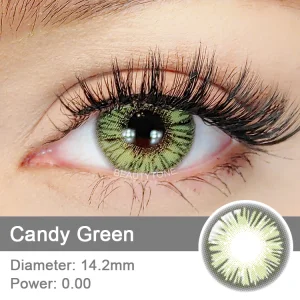
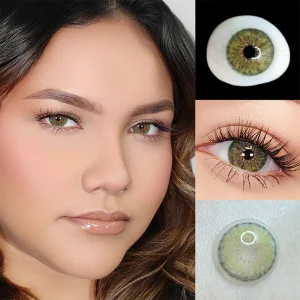
Engineered with next-generation moisture-lock parameters and natural tones suited for the diverse Mediterranean demographic.
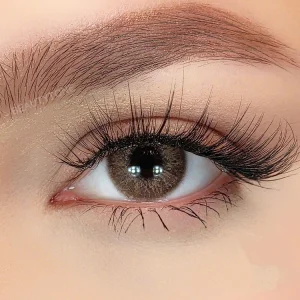
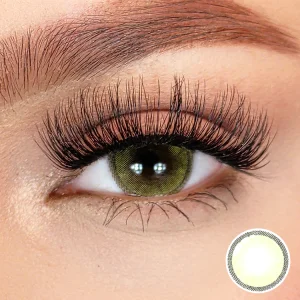
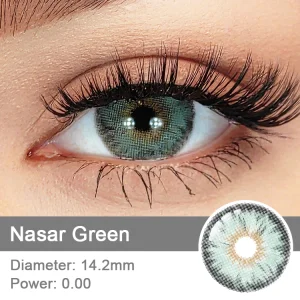
Executive OEM/ODM Insights (Hunan Vibe Lenses Technology Co., Ltd.): As an industry-leading ISO 13485 and CE certified manufacturer based in Dongguan, China, we operate over 10,000 square meters of Class 100,000 cleanrooms. Utilizing fully automated cast-molding processing systems, we supply premium-grade soft contact lenses (non-prescription and prescription) globally. This comprehensive whitepaper explores the macro-economic shifts, distribution paths, medical-grade compliance metrics, and market pathways specifically engineered for the rapidly growing Portuguese eyewear and optometric markets.
Portugal’s optical market has undergone a significant structural evolution over the past decade. Traditionally centered on corrective eyewear, the market has pivoted towards high-margin aesthetic optometry and convenience-driven lens replacement systems. Across key metropolitan hubs like Lisbon, Porto, Braga, and the tourist-dense Algarve region, consumers are demanding products that seamlessly bridge the gap between biological safety, daily-wear comfort, and diverse cosmetic designs.
Key drivers behind this trend include the rising penetration of beauty-tech integration, active visual personalization among the younger demographics, and the expanding clinical recommendations by médicos oftalmologistas. Furthermore, Portuguese consumers are increasingly looking for contact lenses with high water retention properties capable of countering dry eye symptoms triggered by the arid Mediterranean summer winds and indoor air conditioning systems.
Cosmetic Lens Demand
INFARMED & CE Compliant
Sterile Manufacturing
Global Defect Ratio
Optical distributors, regional pharmacies, and e-commerce platforms sourcing products for the Iberian peninsula face sophisticated regulatory and logistics demands. International procurement officers focus on four pillars to sustain business viability:
Lenses must integrate advanced hydrophilic polymers such as Polymacon and HEMA-based hydrogels, ensuring continuous oxygen permeability (Dk/t) and corneal vitality.
Using medical-grade automated cast-molding systems rather than manual lathe cutting translates into reliable geometric tolerance, lower unit economics, and stable wholesale margins.
Low MOQ (Minimum Order Quantity) limits, customizable blister designs, and multi-language retail box options (featuring Portuguese and English layout specifications) speed up product launches.
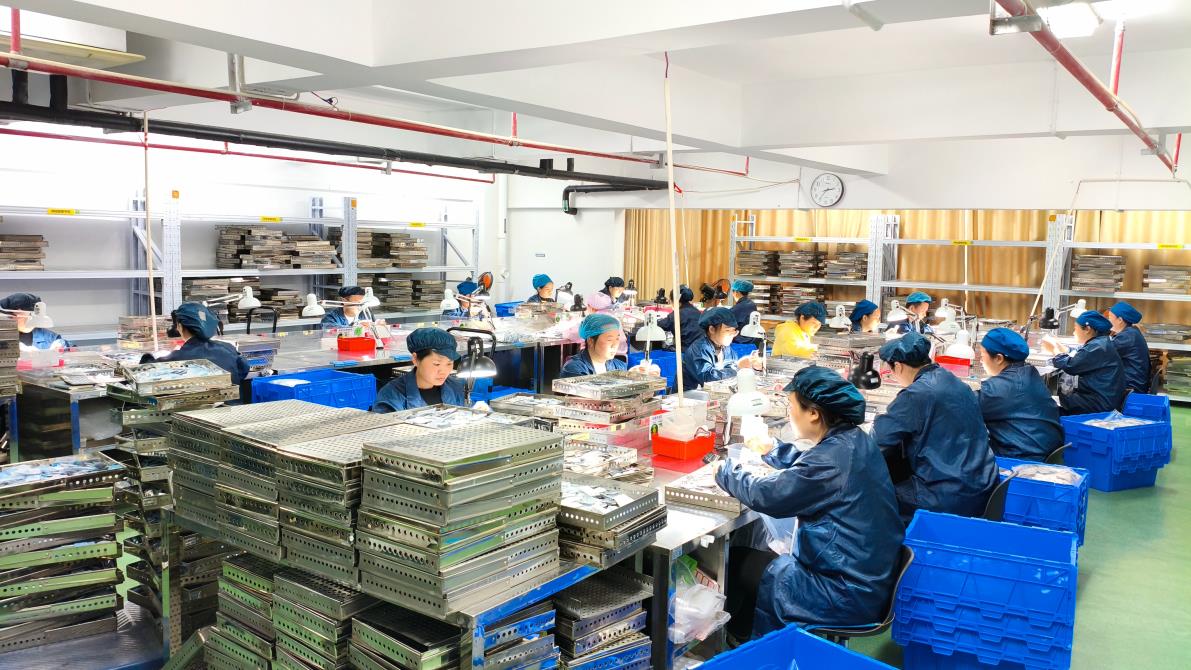
At Hunan Vibe Lenses Technology Co., Ltd., our technology roadmaps are aligned with the high standards expected by EU distributors. We utilize a three-layered "sandwich" color print technology, ensuring that cosmetic pigments are securely encapsulated between the lens substrate layers. This eliminates the risk of pigment directly touching the sensitive ocular surfaces, reducing clinical complications such as corneal abrasions or contact dermatitis.
Our ISO 13485 certified facilities in Dongguan leverage automated precision molding and sterilization units. Below is a closer look at our medical-grade manufacturing environment:

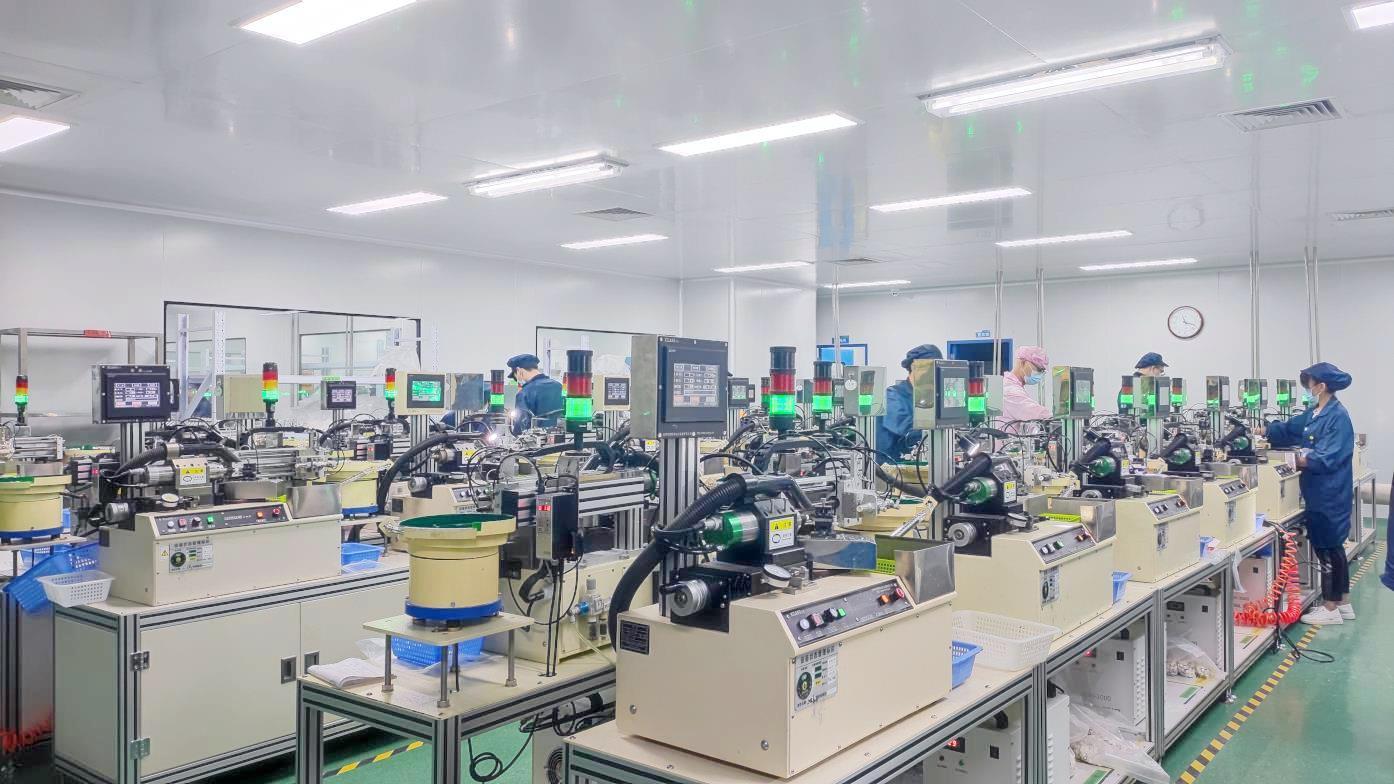
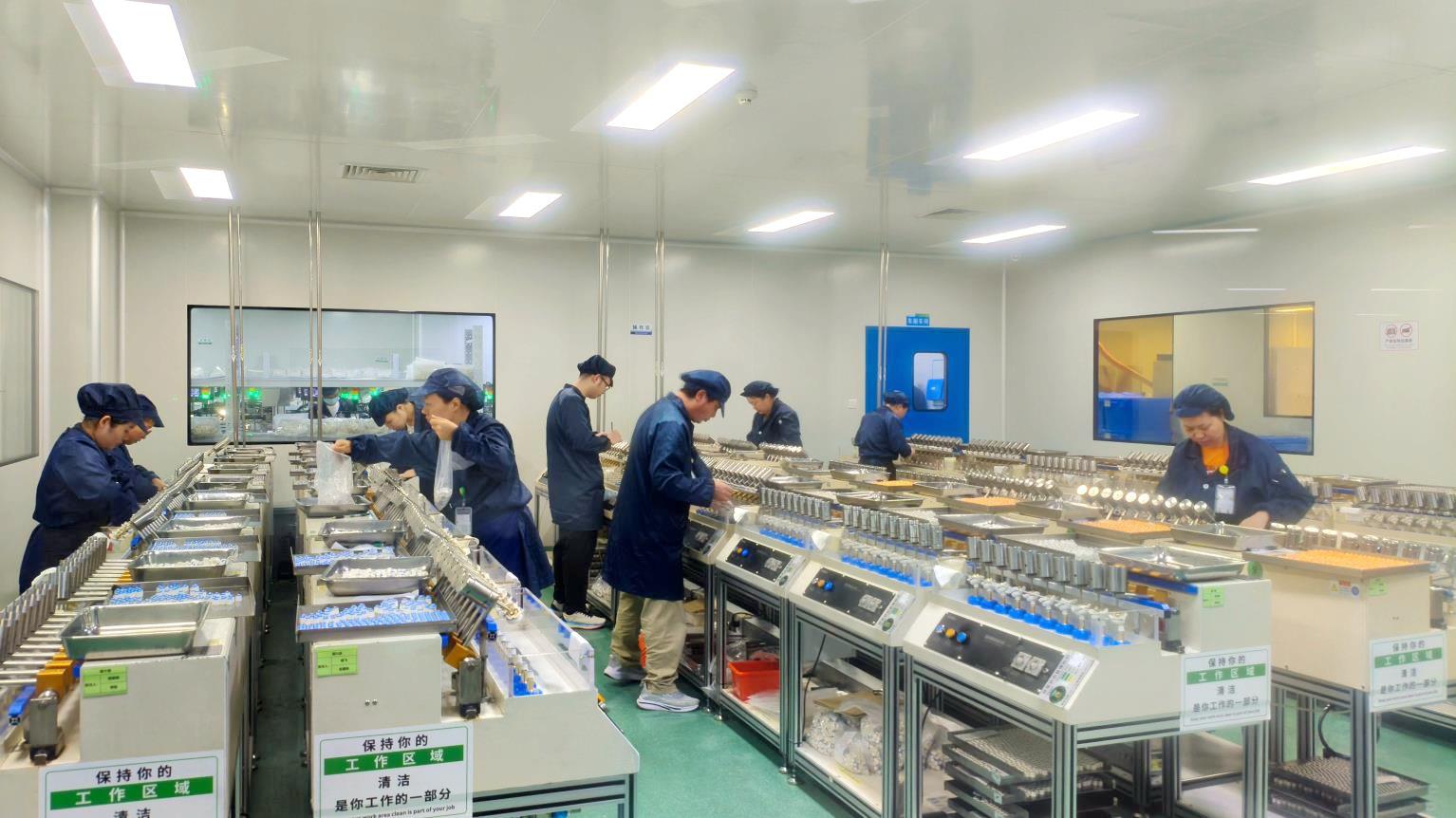
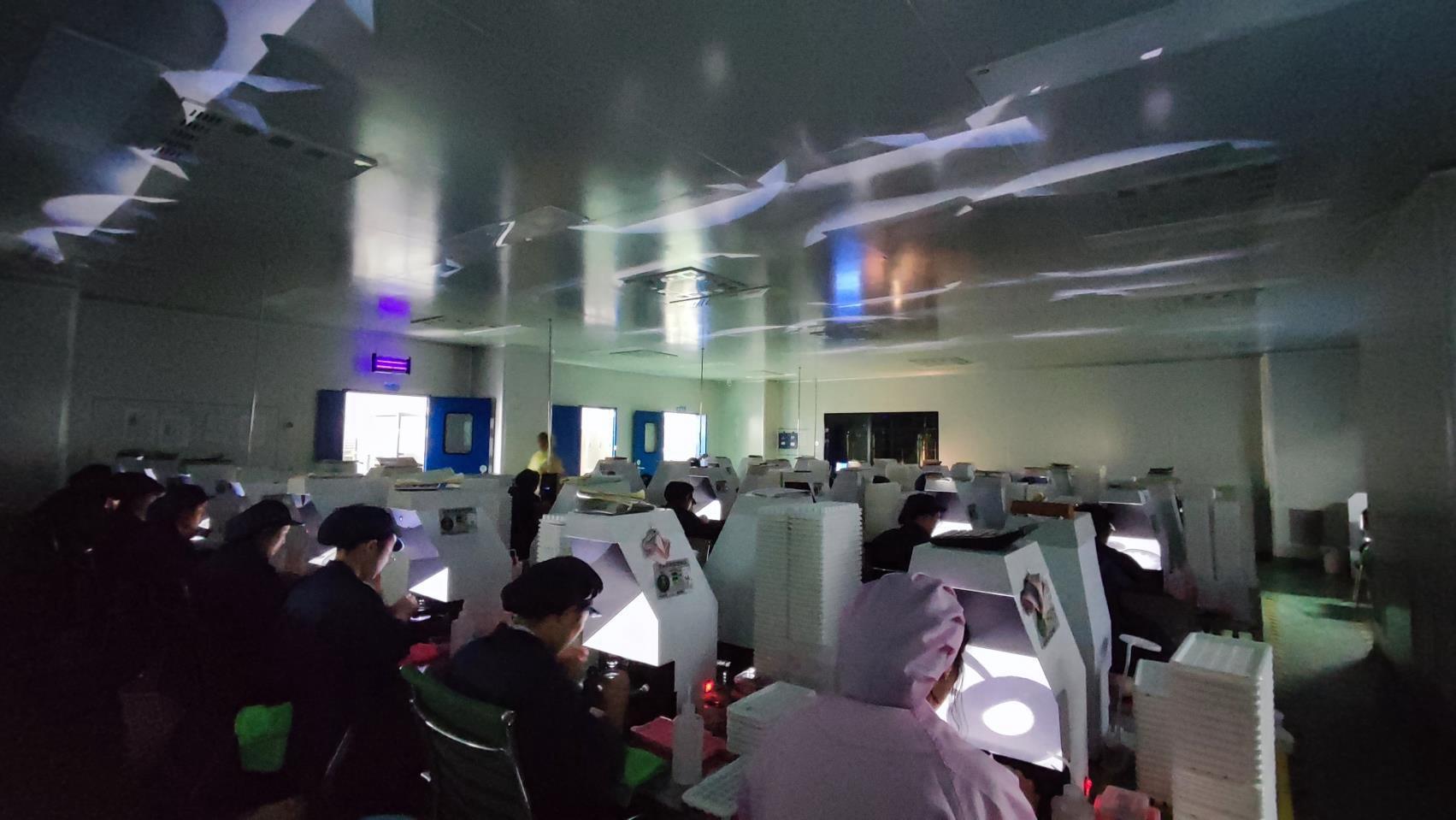
Entering or scaling operations in the Portuguese market requires meticulous adherence to regulatory compliance. Under the European Medical Device Regulation (EU MDR 2017/745), contact lenses, including non-prescription colored cosmetic versions, are classified as Class IIa / Class IIb medical devices. Importation requires a complete CE certificate of conformity alongside robust ISO 13485 certification from recognized Notified Bodies.
For Portuguese localization, we support distributors by providing:
Partner with an established OEM/ODM leader. Get access to low MOQs, CE/ISO certified quality, and fully customized private label packaging.
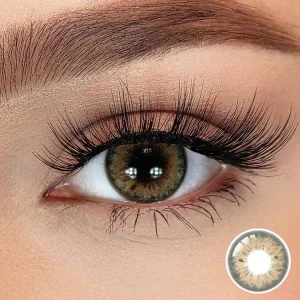
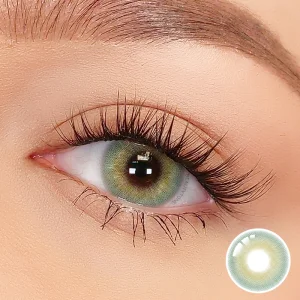
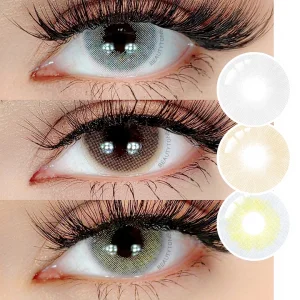
Send Inquiry NowRetaining all original classic formulas, catalogued with specialized regional adaptations for distribution from Lisbon to Porto.

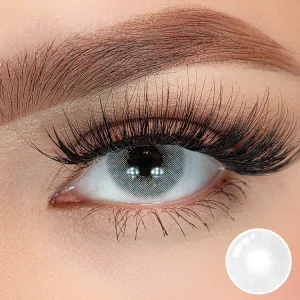

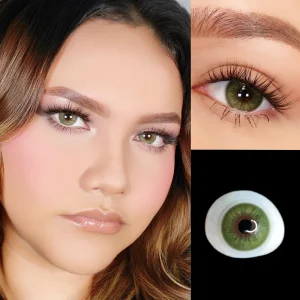

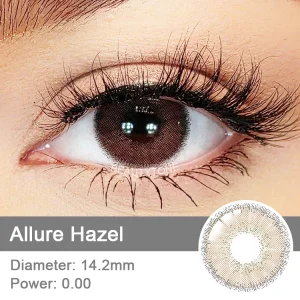

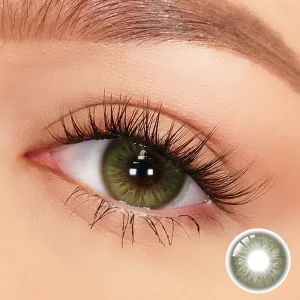
Frequently asked regulatory, technical, and logistics questions for regional eyewear distributors.
Under the EU MDR 2017/745 regulation, both cosmetic and prescription contact lenses are categorized as medical devices. To import into Portugal, you must show CE Certificate of Conformity and proof of registration under an ISO 13485 quality system. Our production facilities maintain updated CE certificates and comply with global ISO safety audits.
For customized private-label packaging and custom specifications, the lead time typically ranges between 30 to 45 days. This includes manufacturing via automated cast-molding, double optical automated quality control checks, high-temperature sterilization, and custom blister-box assembly. Standard wholesale items have much shorter dispatch timelines.
We employ a advanced 3-layer "sandwich" manufacturing technology where the decorative pigments are completely enclosed within the biocompatible polymer materials. This ensures that the color inks never make direct contact with the cornea or conjunctival tissues, keeping the user safe from irritation or chemical-induced eye discomfort.
Yes. Part of our OEM support package includes complete visual design localization. We produce retail packaging, barcode layouts, and patient instruction manuals directly translated into professional European Portuguese, keeping your brand fully compliant with local market consumer regulations.
 Vibe Lenses