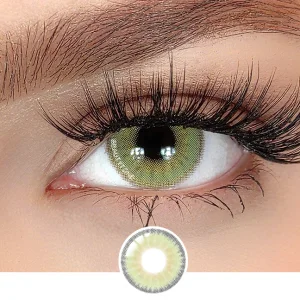
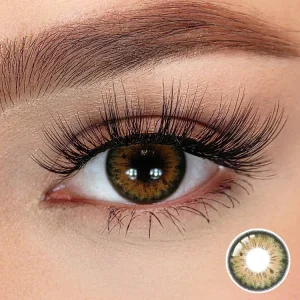
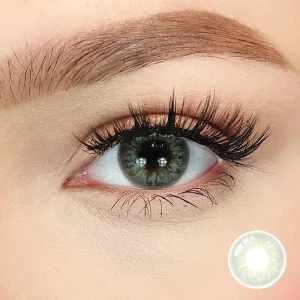
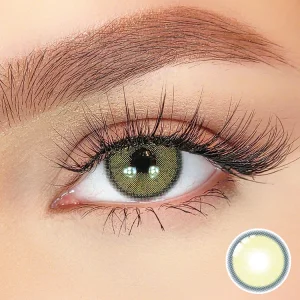
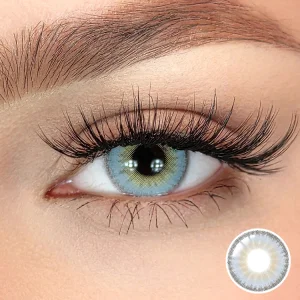
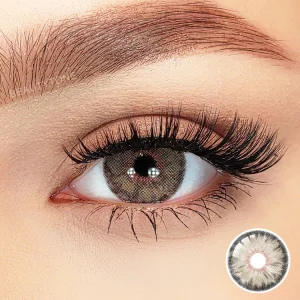
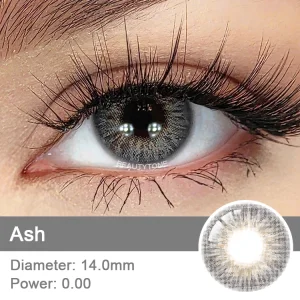
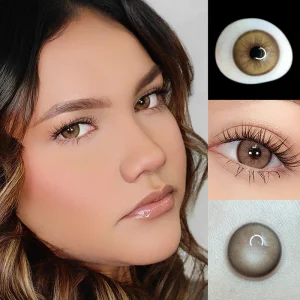
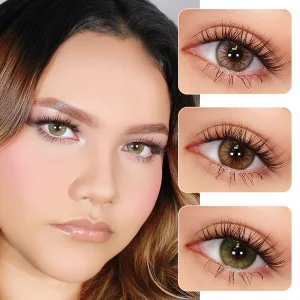
First-look innovations curated for the German optical retail market, utilizing advanced biocompatible polymers.
As Germany’s capital and its most vibrant cultural epicenter, Berlin represents a unique, high-yield territory for the contact lens industry. The intersection of clinical ophthalmic needs and high-fashion cosmetic trends has driven an unprecedented surge in demand for both corrective contact lenses and cosmetic colored contact lenses. In districts ranging from the corporate headquarters in Mitte to the fashion-forward retail clusters of Kreuzberg and Charlottenburg, businesses are shifting from traditional eyewear models to modern, disposable contact lens systems.
Historically, Germany’s optical market has been dominated by long-established brick-and-mortar optician chains and independent providers. However, Berlin has acted as the launchpad for massive digital-first platforms, such as Mister Spex, changing how consumers interact with contact lens brands. Today’s Berlin consumer demands a combination of high-precision biological compatibility (to combat the dry atmospheres of heated office environments) and visual versatility. For procurement directors, B2B distributors, and clinical buyers, partnering with a contact lens manufacturer that offers direct OEM/ODM customization is no longer just a cost-saving measure—it is a critical requirement to remain competitive.
To navigate this lucrative yet highly demanding landscape, importers must look past superficial trading agents. The focus must shift toward deep supply chain integration. Realizing sustainable unit economics in Germany requires direct collaboration with manufacturers who possess the technological infrastructure to meet strict EU criteria while offering rapid design iteration to capture seasonal beauty trends.
The performance of a contact lens relies entirely on the quality of its underlying material science. High-quality production centers focus on the balance between oxygen permeability (Dk/t), water content, structural durability, and deposit resistance. When supplying products to Germany, brands must choose materials that minimize corneal hypoxia and dry-eye symptoms, which are common complaints among urban office workers in Berlin.
Utilizing high-purity Hydroxyethyl Methacrylate (HEMA) and Polymacon polymers, our lenses achieve a classic, highly stable structure that holds shape and color pigment safely. Ideal for daily disposable options where comfort and affordability meet.
Cosmetic pigments are safely encapsulated between two micro-thin layers of clear hydrogel material. This prevents direct contact between pigment particles and the corneal surface, securing zero color fading and total biological safety.
Integrating hydrophilic polymers within the matrix to maintain high water retention (typically 38% to 42%) even during extended wear. This reduces standard protein and lipid deposition, keeping the lenses clear throughout their lifecycle.
For the German market, the mechanical properties of the lens edge are as critical as the core material. Lenses must feature a ultra-thin, round edge profile designed through automated micro-lathe and precision cast-molding systems. This ensures smooth lid interaction during blinking, significantly decreasing foreign-body sensations and boosting overall consumer satisfaction.
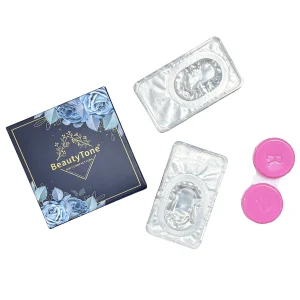
High-grade packaging systems and specialized color series optimized to increase brand equity in high-end cosmetic boutiques across Berlin.
Entering the German optical market requires compliance with strict medical device regulations. Under the European Medical Device Regulation (EU MDR 2017/745), contact lenses (even plano, non-prescription cosmetic lenses) are classified as Class IIa or Class IIb medical devices. This classification demands a complete technical file, clinical safety evaluations, and regular auditing from an authorized European Notified Body.
“All contact lenses shipped to Germany must satisfy the stringent expectations of the Federal Institute for Drugs and Medical Devices (BfArM). Non-compliant medical devices face immediate confiscation at Customs and heavy operational penalties for the importing brand.”
To support our Berlin distribution partners, our manufacturing workflow is designed around strict international quality standards:
By partnering with a compliance-ready manufacturer, Berlin eyewear brands can reduce the time required to secure registration and start sales. This setup prevents customs issues and ensures that long-term supply lines remain secure against changing EU standards.
Hunan Vibe Lenses Technology Co., Ltd. is an established, certified OEM/ODM manufacturer of premium contact lenses and cosmetic colored lenses. By combining automated, medical-grade cast-molding production (operating within Class 100,000 cleanrooms) with dynamic design capabilities, we serve as a reliable partner for private-label brands. From our production base in Dongguan, China, we deliver CE and ISO-compliant manufacturing solutions, bulk wholesale support, and reliable logistics for global eyewear and beauty brands.
Operating a Factory 4.0 setup allows us to balance rapid production times with strict precision. Unlike older manufacturing methods that depend on manual molding and cutting, our automated system utilizes high-precision steel molds to shape each lens with sub-micron accuracy. This technology ensures consistent thickness and edge shape, keeping comfort levels high across large production volumes.
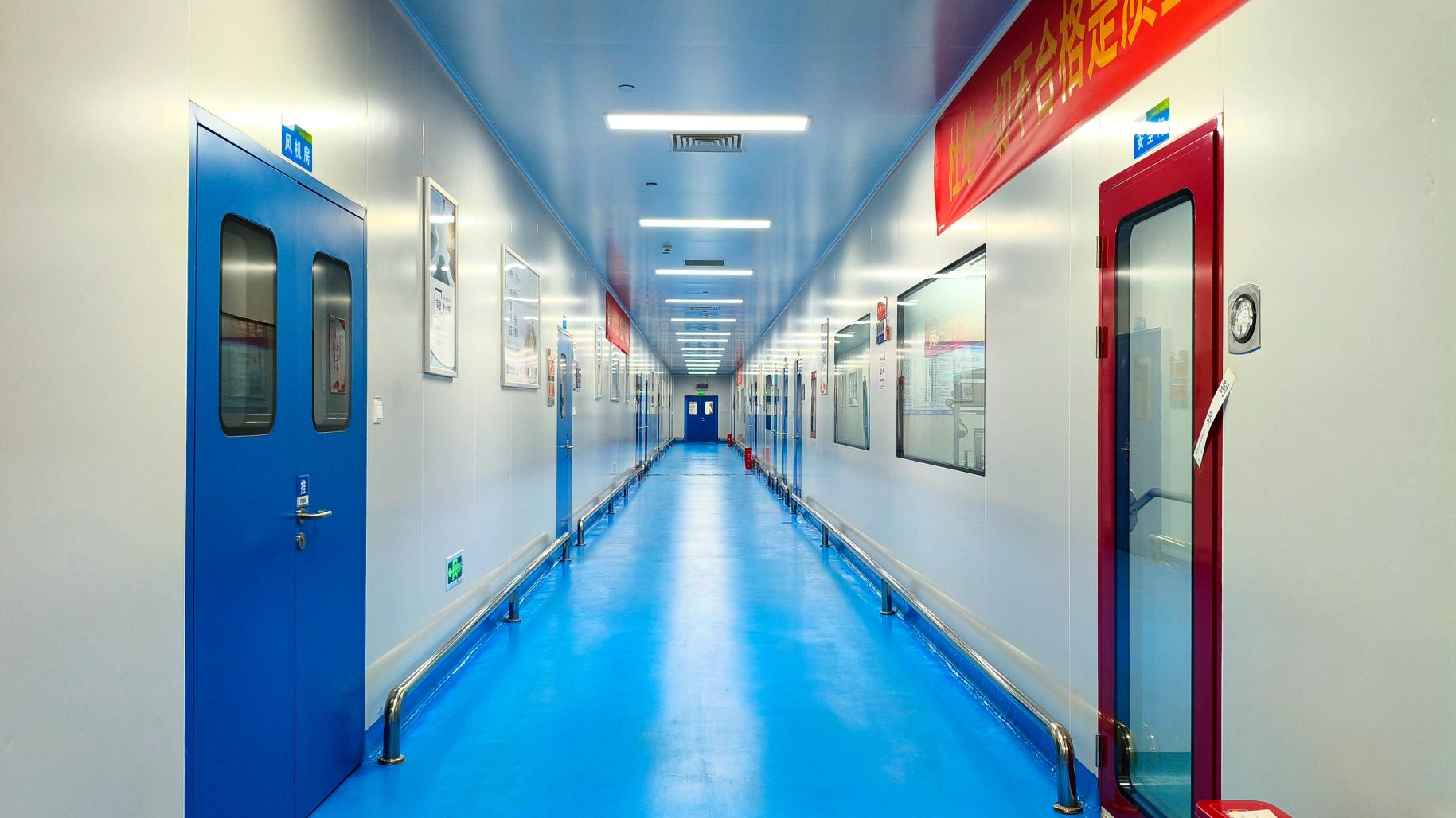
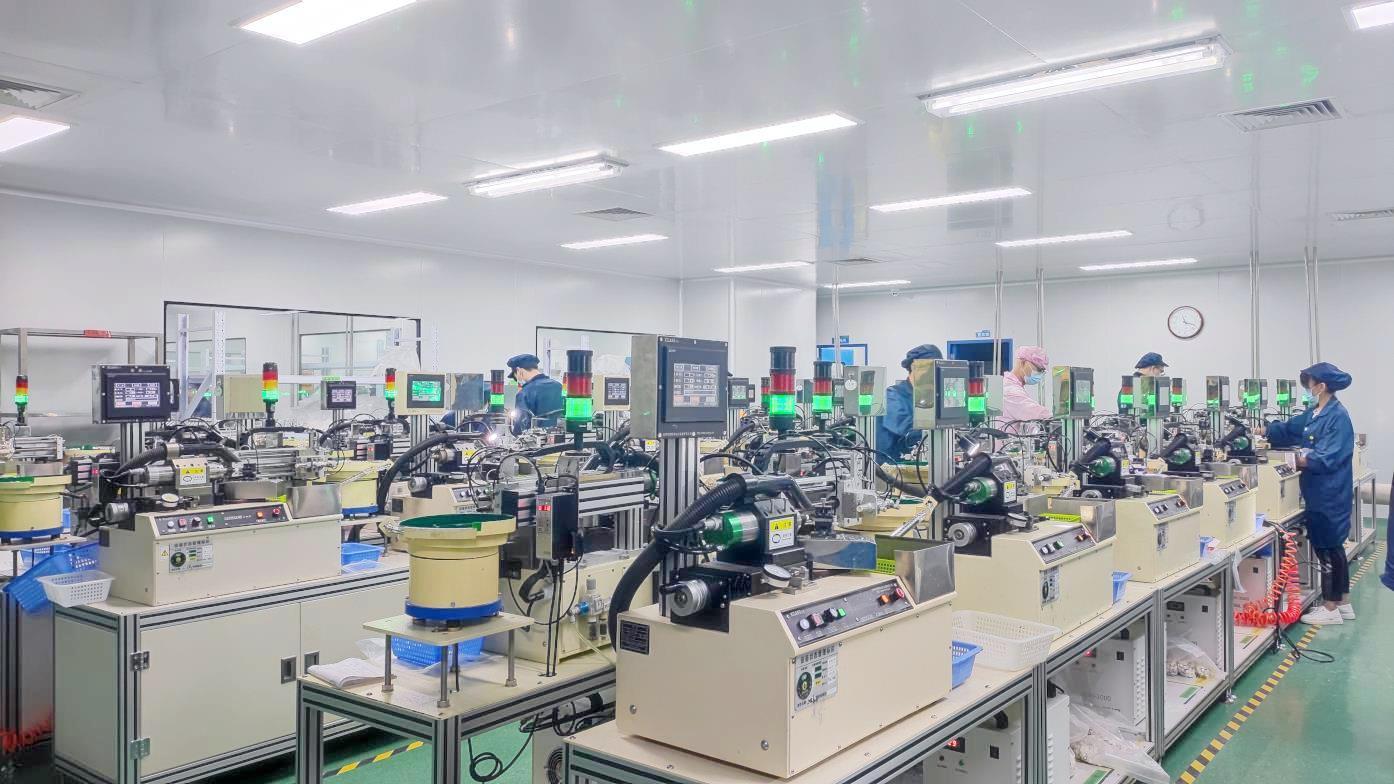
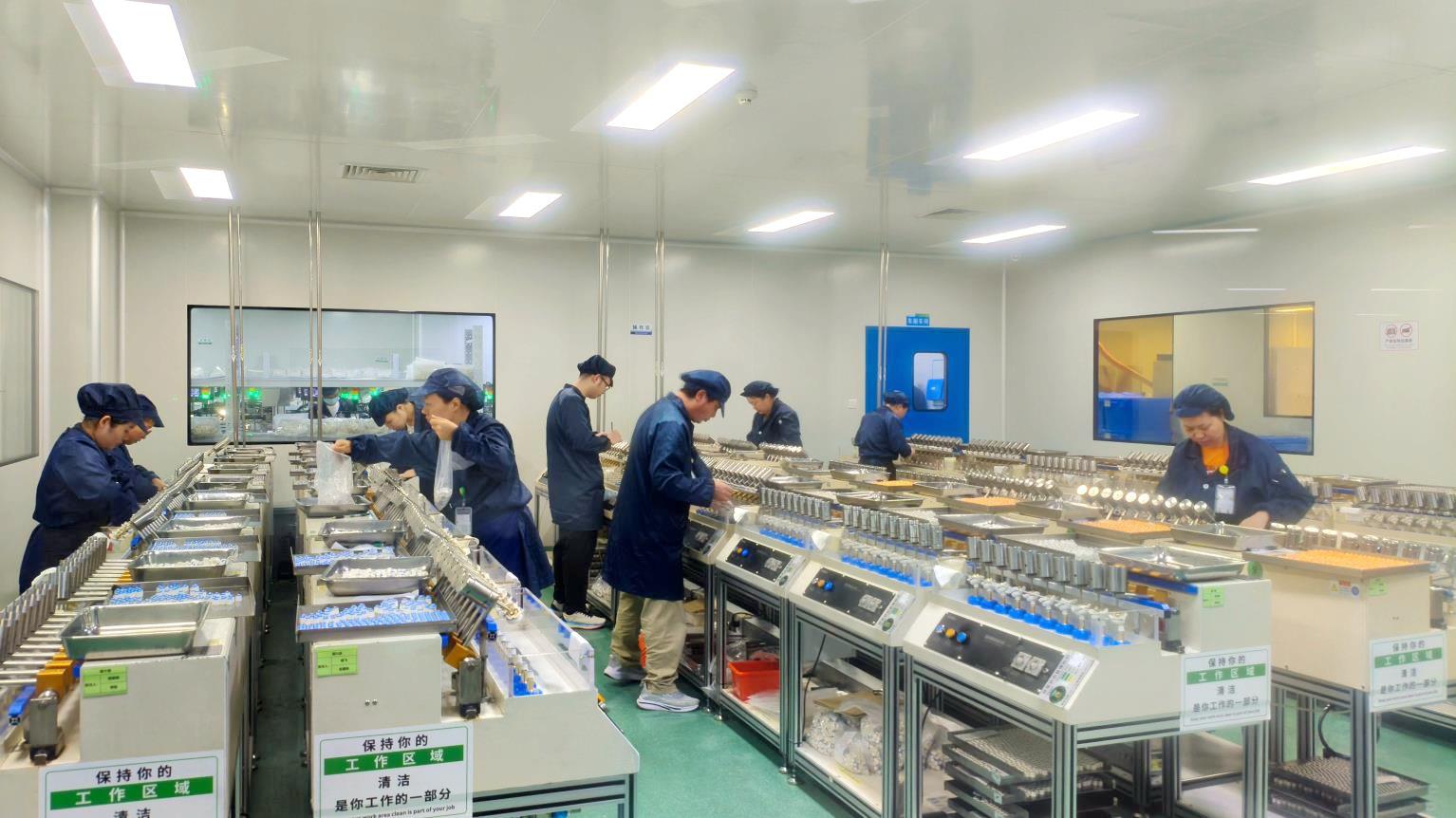
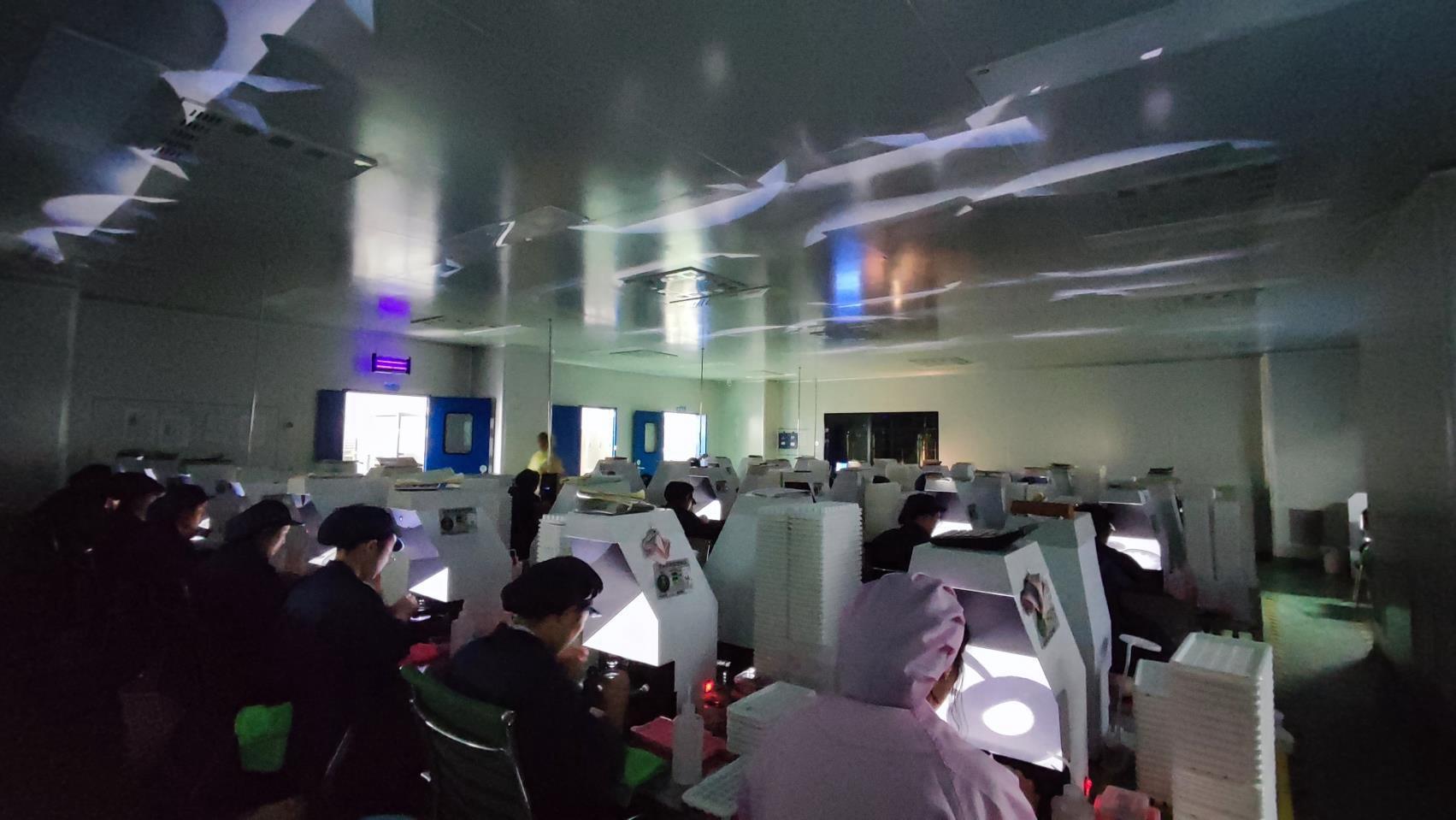
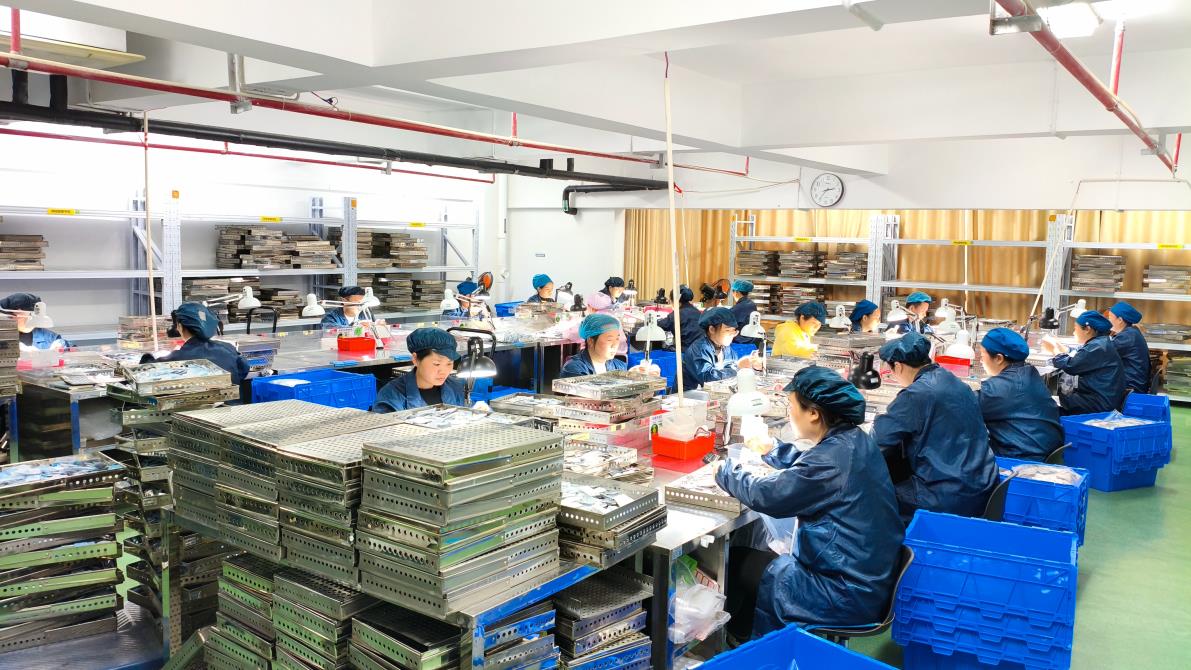
Our automation workflow integrates three core steps that protect product quality:
To help procurement teams make informed decisions, we have compared the key operational trade-offs between local European specialty suppliers and an integrated Factory 4.0 Chinese partner.
| Evaluation Parameter | Local European Boutique Manufacturer | Vibe Lenses Factory 4.0 (Dongguan, China) |
|---|---|---|
| Base Manufacturing Cost | High (Elevated labor, raw material, and energy overheads) | Highly Competitive (Optimized supply chain & automation) |
| Scaling Capability | Limited (Slower response times for large volume increases) | Virtually Unlimited (Automated daily runs up to 300K+ units) |
| Design and Color Iteration | Traditional (Mainly focused on classic optical styles) | Agile (Monthly color updates to match global beauty trends) |
| Quality Standards | Compliant (Meets ISO & CE standards) | Compliant (Fully certified ISO 13485 & CE documentation) |
| OEM Customization Flexibility | Rigid (Higher MOQs required for custom prints/packaging) | Highly Flexible (Custom box sizes, materials, and colors) |
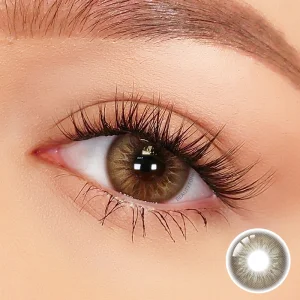
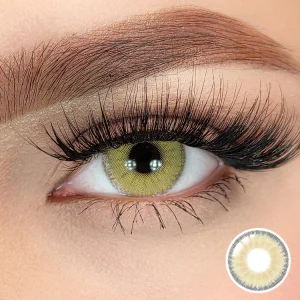
Our full range of daily, monthly, and yearly disposable color contact lenses, designed for consistent comfort and safety.
For procurement managers in Germany, finding a reliable supplier is only the first step. True profitability depends on optimizing the logistics and ordering processes. Standard shipping to Berlin typically goes through major air cargo hubs, such as Frankfurt (FRA) or Berlin Brandenburg Airport (BER). To make this flow as efficient as possible, distributors need to coordinate closely with their manufacturing partner on packaging, documentation, and customs clearance.
We recommend prioritizing three key operational practices to improve supply chain reliability:
Essential insights for European distributors, optical importers, and cosmetic brands.
Connect with our manufacturing team to access technical catalogs, custom OEM pricing sheets, and compliance documentation.
Send Inquiry Now Vibe Lenses