Premium contact lens products optimized for West Coast optical networks, beauty distributors, and online retailers.
Los Angeles stands as a premier commercial gateway and one of the largest regional markets in North America for colored contact lenses and cosmetic optics. Driven by a dynamic intersection of entertainment industries, digital fashion influencers, and a diverse consumer demographic, Southern California's demand for high-safety, high-fidelity cosmetic contacts continues to experience exponential growth. Local importers, optical distributors, and e-commerce brands require high-tier suppliers that can offer consistent material quality, compliance assurances, and rapid design adaptations to capitalize on shifting consumer intents.
As an economic portal on the US West Coast, Los Angeles serves as a critical distribution node. Products imported through the Ports of Los Angeles and Long Beach supply a vast retail network stretching across California, the Southwest, and national e-commerce channels. Given the strict Federal regulations governing contact lenses in the United States, local suppliers must deliver not only aesthetic innovation but also structural compliance to ensure seamless entry into the market.
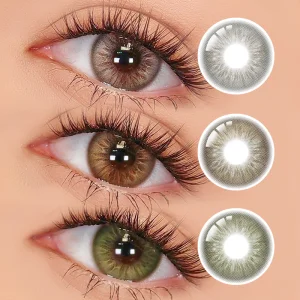
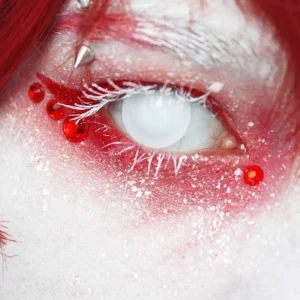
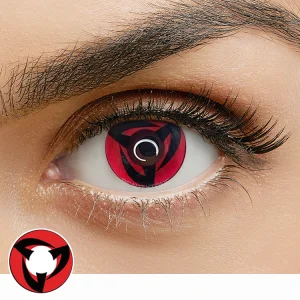
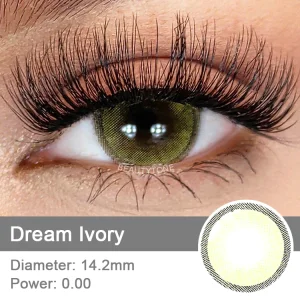
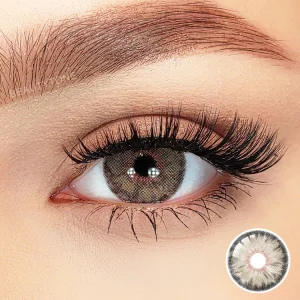
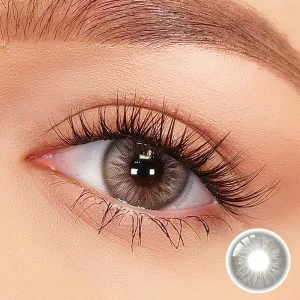
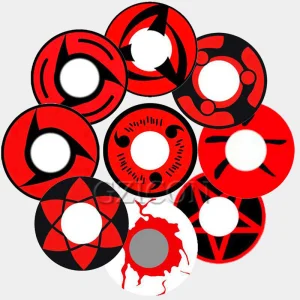
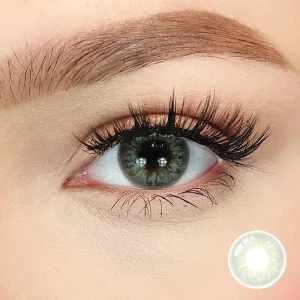
The consumer market in Los Angeles is highly segmented, ranging from daily cosmetic enhancement wearers in Beverly Hills to creative theatrical designers in Hollywood. This diversity demands a wide range of designs. Natural iris-simulating patterns, such as the BeautyTone Dream series, cater to consumers looking for subtle alterations of dark brown eyes. Concurrently, the robust creative community, including special effects (SFX) makeup artists and the extensive anime cosplay subculture in Southern California, drives a consistent demand for bold, high-opacity graphic designs, such as Kakashi or sharingan lenses.
Cosmetic contact lenses are no longer restricted to traditional vision correction; in Los Angeles, they are treated as key components of professional vanity, fashion, and character styling.
Los Angeles hosts major cultural events like the Anime Expo, attracting hundreds of thousands of participants annually. For cosplay enthusiasts and theatrical designers, precision, color accuracy, and high opacity are crucial. The application of specialized patterns, such as the Famous Anime Cosplay Sharingan Lenses, allows creators to reproduce character aesthetics accurately. In professional settings, these lenses must remain comfortable and safe during long days of filming under intense lighting.
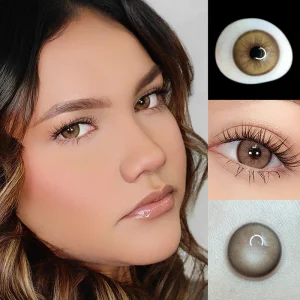
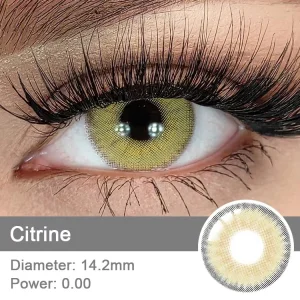
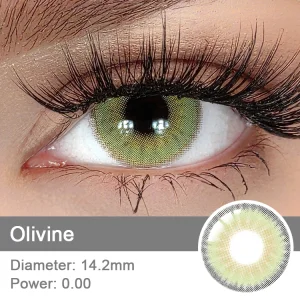
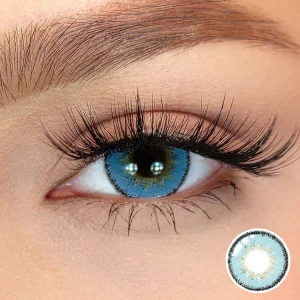
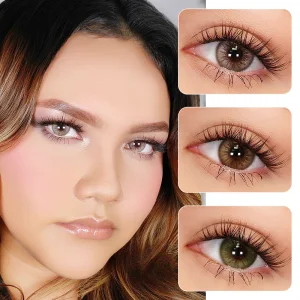
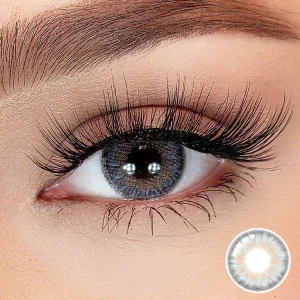
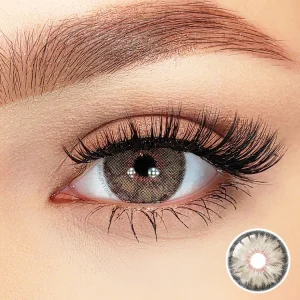
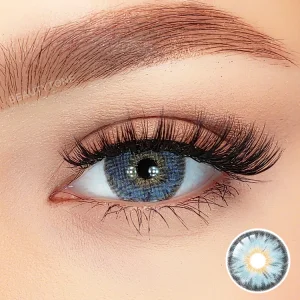
In the competitive West Coast beauty sector, consumer demand focuses on natural looking transformations. Daily wearers require lenses that blend naturally with dark irises. Design variations like the Grace Series 14.2mm Yearly Colored Lenses or the Siri Simulated Iris Siri Style are engineered to mimic human iris patterns. By layering fine pigments, these lenses enhance eye color while ensuring natural depth and clarity.
Hunan Vibe Lenses Technology Co., Ltd. is a certified OEM/ODM manufacturer of premium contact lenses and cosmetic colored lenses. Based in Dongguan, China, we combine automated, medical-grade cast-molding production (Class 100,000 cleanrooms) with trend-forward design capabilities. As a trusted private-label partner, we deliver CE and ISO-compliant manufacturing solutions, reliable bulk wholesale, and end-to-end supply chain support for global eyewear and beauty brands.
Sourcing from a structured manufacturing base in Dongguan allows Los Angeles importers to benefit from scale, speed, and strict quality control. The production pipeline uses advanced automated machinery that ensures precise edge profiling, consistent centration, and stable color alignment, reducing defect rates to near zero.
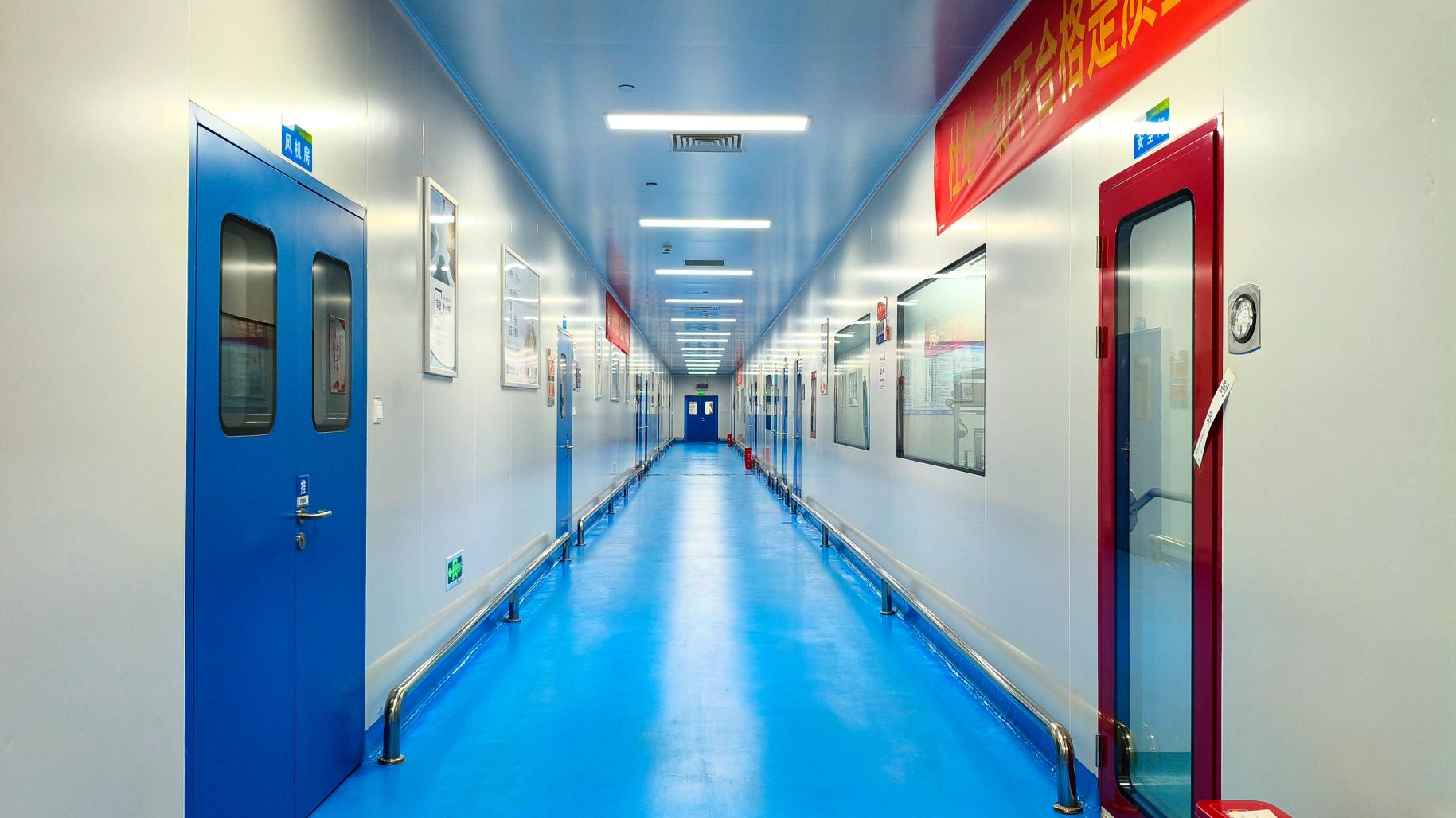
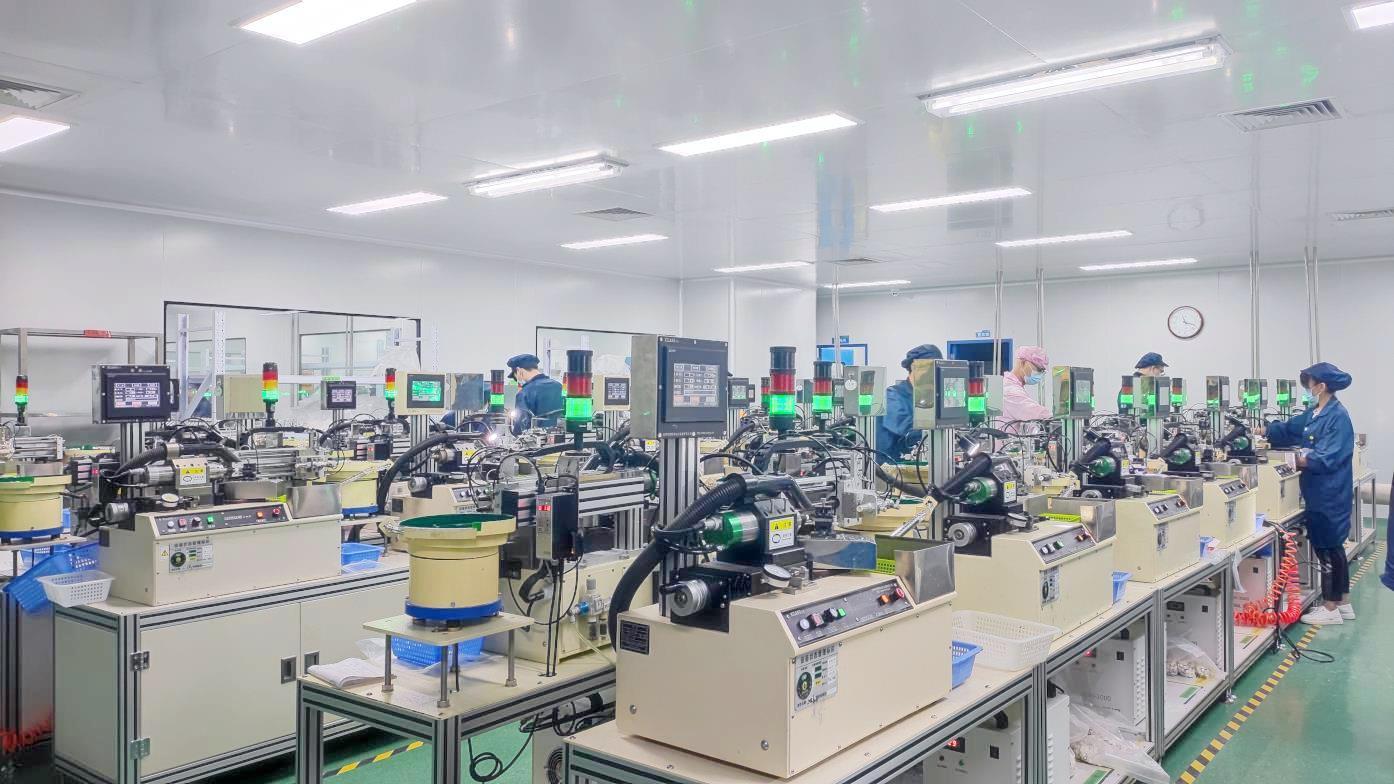
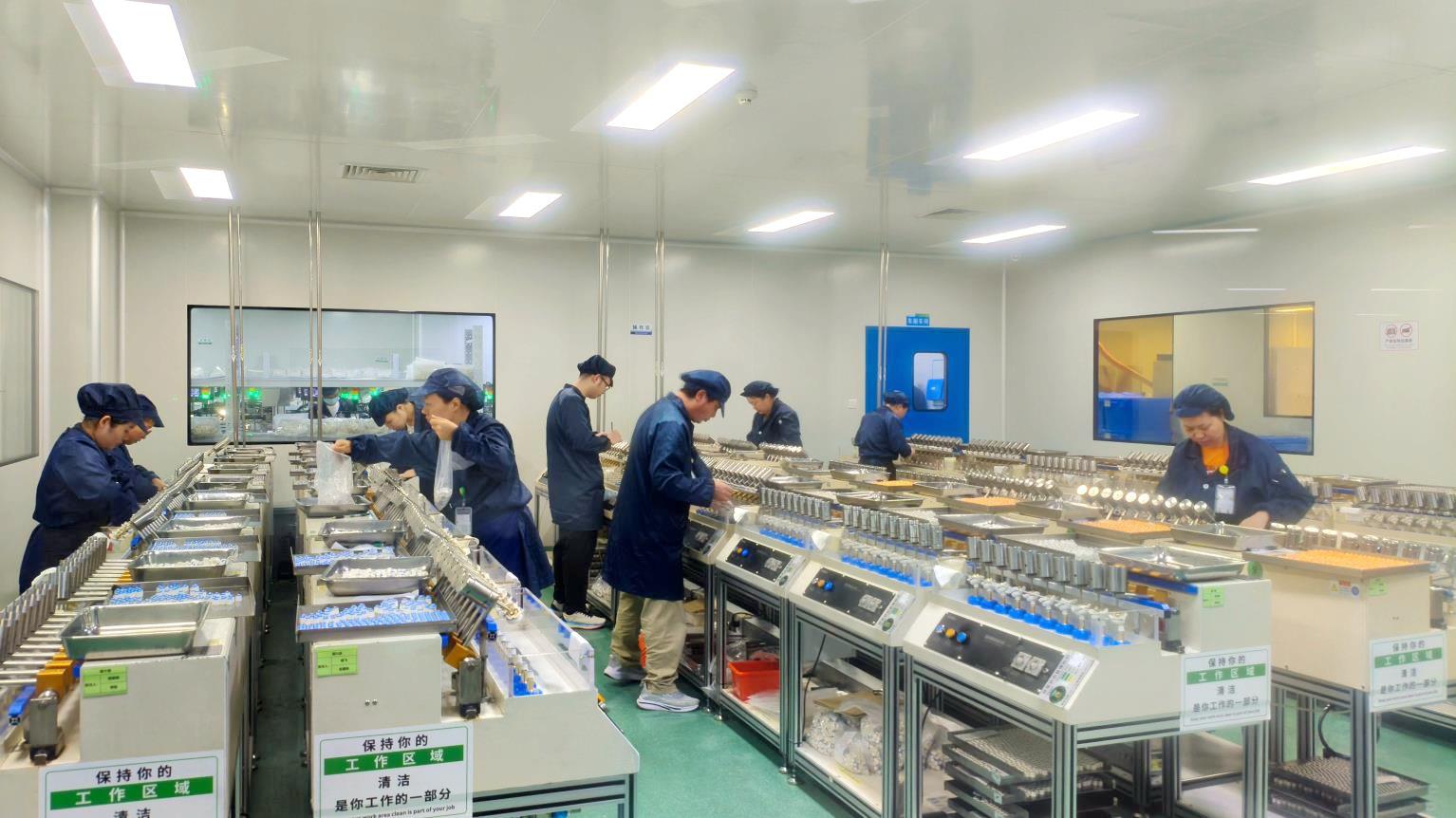
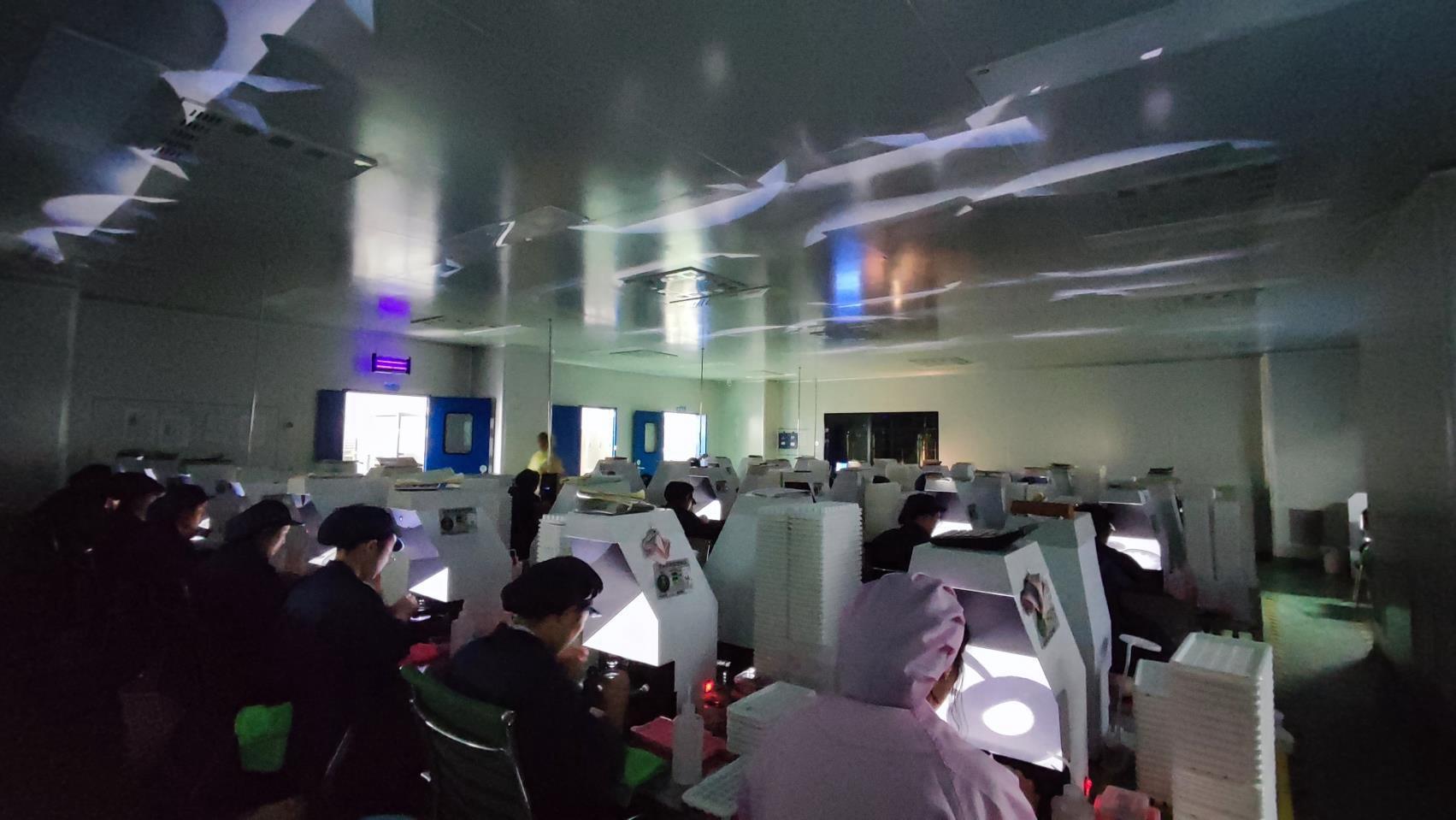
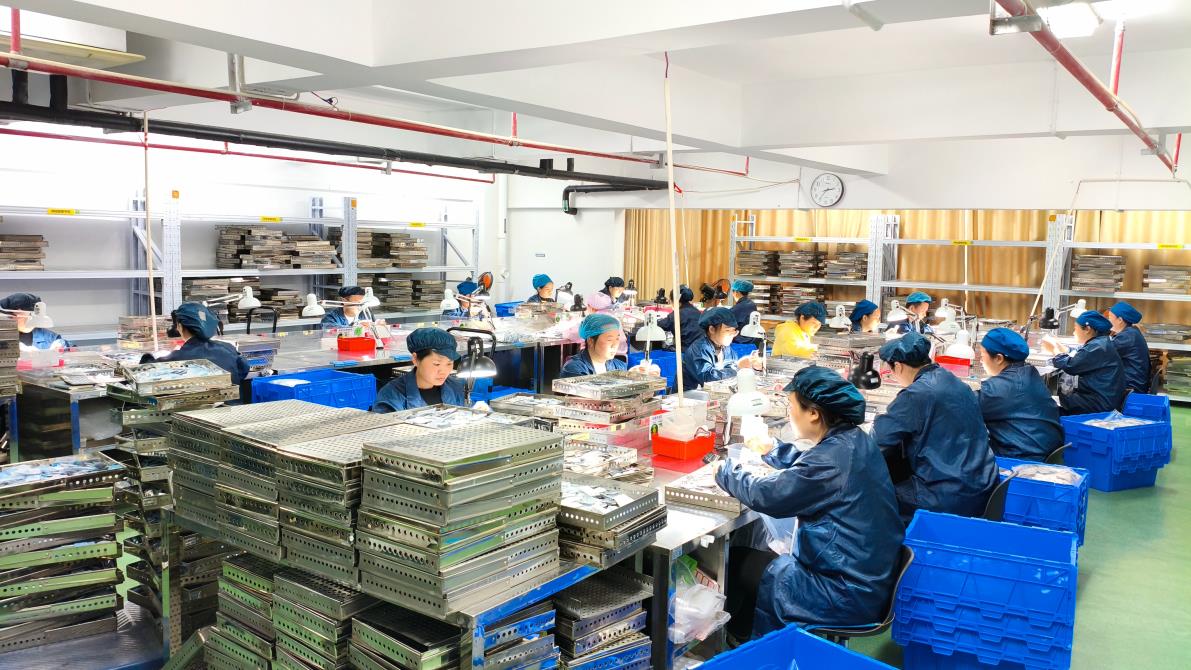
Our manufacturing partner utilizes modern cast-molding systems which offer significant consistency advantages over traditional lathe-cutting processes. In a Class 100,000 cleanroom, liquefied monomer mixtures are injected into precise molds, polymerized under controlled thermal and UV conditions, hydrated, and packaged. This automated cycle ensures that every single lens meets exact thickness profiles, maintaining optimal oxygen permeability and physical comfort for the wearer.
The cosmetic contact lens sector is growing globally. In highly regulated regions, particularly North America and the European Union, compliance is a critical business factor. In the United States, contact lenses—whether corrective or plano (non-prescription)—are classified by the Food and Drug Administration (FDA) as Class II Medical Devices.
For Los Angeles distributors, import compliance is essential to mitigate custom seizures and operational liability. Sourcing products manufactured under ISO 13485 (Medical Devices Quality Management Systems) standards, coupled with active CE and FDA registration pathways, ensures that shipments pass smoothly through US customs and meet the verification standards required under the Fairness to Contact Lens Consumers Act (FCLCA).
Modern lens technology focuses on enhancing both safety and wearer comfort. Our technology roadmap prioritizes:
Expert answers addressing compliance, logistics, manufacturing capabilities, and strategic sourcing for Los Angeles wholesale buyers.
Yes. In the United States, all contact lenses, including cosmetic and non-corrective (plano) lenses, are classified as Class II Medical Devices by the FDA. Importers must ensure that their manufacturing partner is registered with the FDA, holds appropriate 510(k) clearances, and complies with FCLCA guidelines for prescription verification.
This method prints the design pigments between two layers of clear lens material. This ensures that the color pigments do not come into direct contact with the delicate corneal tissue or the conjunctival lining, minimizing the risk of allergic reactions, pigment fading, or micro-abrasions.
For custom private label (OEM) projects, we support diverse options including blister packs and traditional glass vials, with customizable boxes. Standard MOQs depend on customization requirements (usually starting around 500-1000 pairs per style for bespoke print designs). Feel free to submit an inquiry to discuss your requirements.
Typically, automated cast-molding production takes 15 to 30 days depending on order volume and level of customization. Shipping from our Dongguan facility via air cargo directly to LAX takes 5-7 business days, while ocean freight to the Port of Los Angeles takes approximately 18-25 days.
Our manufacturing partner is ISO 13485 certified for medical device quality management and holds CE certificates, ensuring that our products meet the technical and safety standards required for distribution in international markets.
Full range of certified contact lenses, daily and yearly disposables, catering to natural enhancement and cosplay applications.
 Vibe Lenses