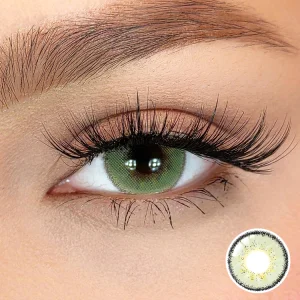
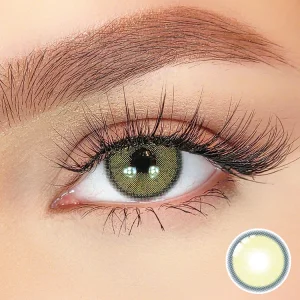
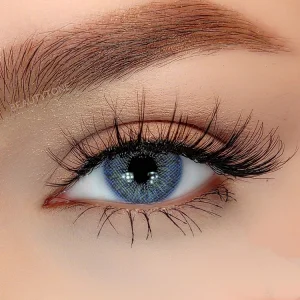
Explore our leading private-label cosmetic contact lenses, manufactured to meet rigid medical standards and optimized for exceptional oxygen transmissibility and comfort.
The global optical and cosmetic contact lens market is experiencing a profound paradigm shift. Historically treated as purely medical corrections or seasonal novelties, cosmetic lenses have integrated seamlessly into daily cosmetic routines worldwide. At the apex of this market convergence is the BeautyTone Velvet manufacturing standard—a highly sophisticated methodology combining advanced material chemistry with micro-precision color placement. As a primary tier OEM/ODM manufacturer, we identify that the contemporary B2B client demands more than just aesthetic versatility; they require rigorous biological compatibility, long-term safety, and supply chain predictability.
According to industry intelligence, the global colored contact lens market is projected to reach USD 5.8 billion by 2028, displaying a compound annual growth rate (CAGR) of 8.4%. Driving this growth is the rising influence of digital media, cosmetic trends, and the increasing purchasing power of demographics demanding natural-looking ocular enhancements. To acquire a competitive edge, distributors must offer lenses that satisfy both the consumer's physiological requirements for comfort and the brand's imperative for high-margin, compliant, and unique product lines.
In the contact lens manufacturing sector, material integrity correlates directly with ocular health. Standard lenses often suffer from pigment migration or inadequate oxygen flux, which can trigger corneal hypoxia and giant papillary conjunctivitis (GPC). Our BeautyTone Velvet formulation addresses this structural flaw through two primary technical innovations:
Rather than printing dye layers directly onto the outer surfaces of the lenses, our manufacturing pipeline utilizes molecular-level sandwiching. The color pigments are fully encapsulated inside a micro-thin layer of hydrophilic HEMA/MAA co-polymer. This ensures that the pigment matrix never comes into contact with either the corneal epithelium or the palpebral conjunctiva. Biological testing confirms zero dye leakage and a perfectly smooth lens surface, which dramatically reduces friction coefficient during blinking.
Additionally, the physical properties of the lens material must balance hydration and oxygen permeability ($Dk/t$). A common misconception is that higher water content translates to superior comfort. In reality, yearly disposable lenses with excessively high water content will absorb moisture from the wearer’s natural tear film, leading to dry-eye symptoms over extended use. By maintaining the water content at an optimal 38% to 42%, our lenses conserve the integrity of the pre-corneal tear film, ensuring high dimensional stability and long-wear comfort, even in arid or air-conditioned environments.
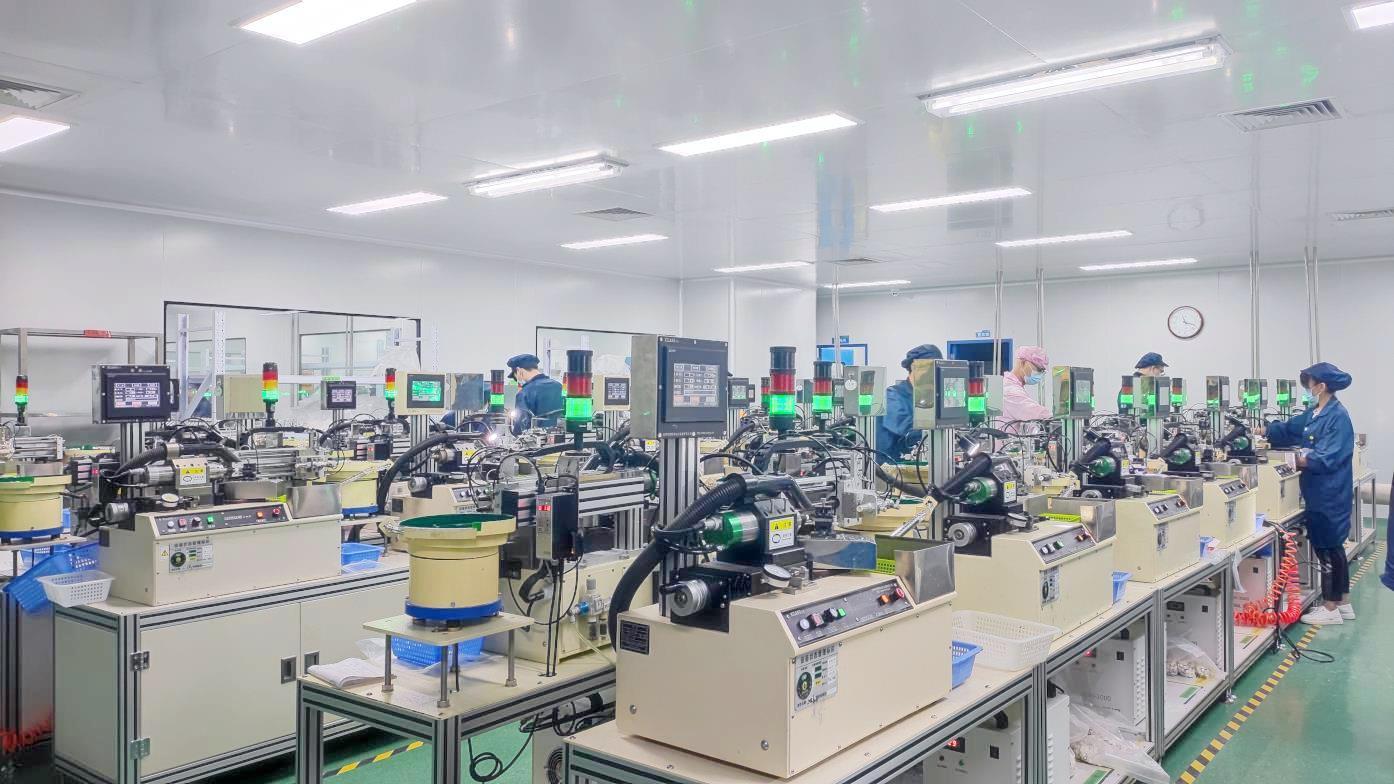
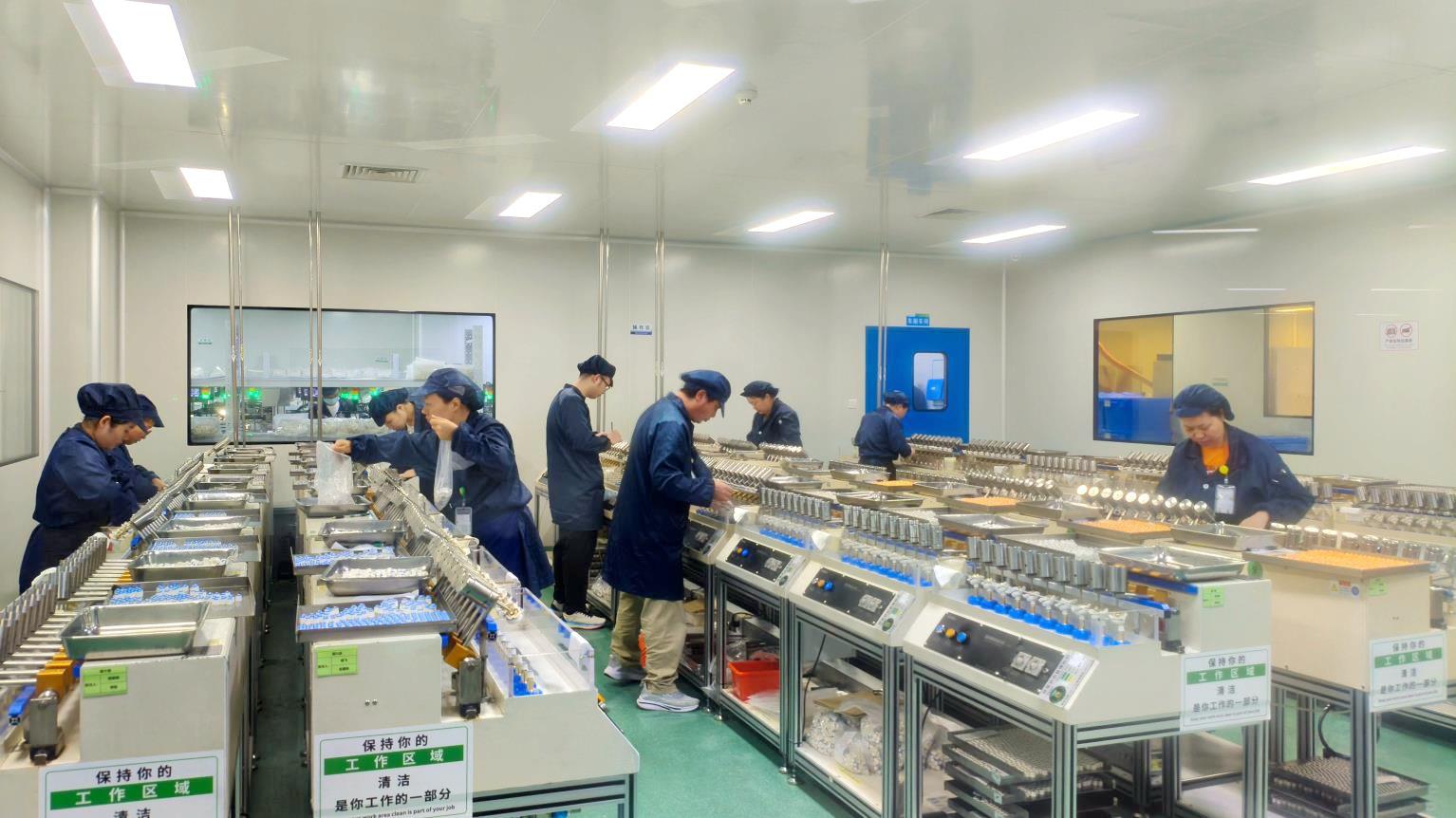
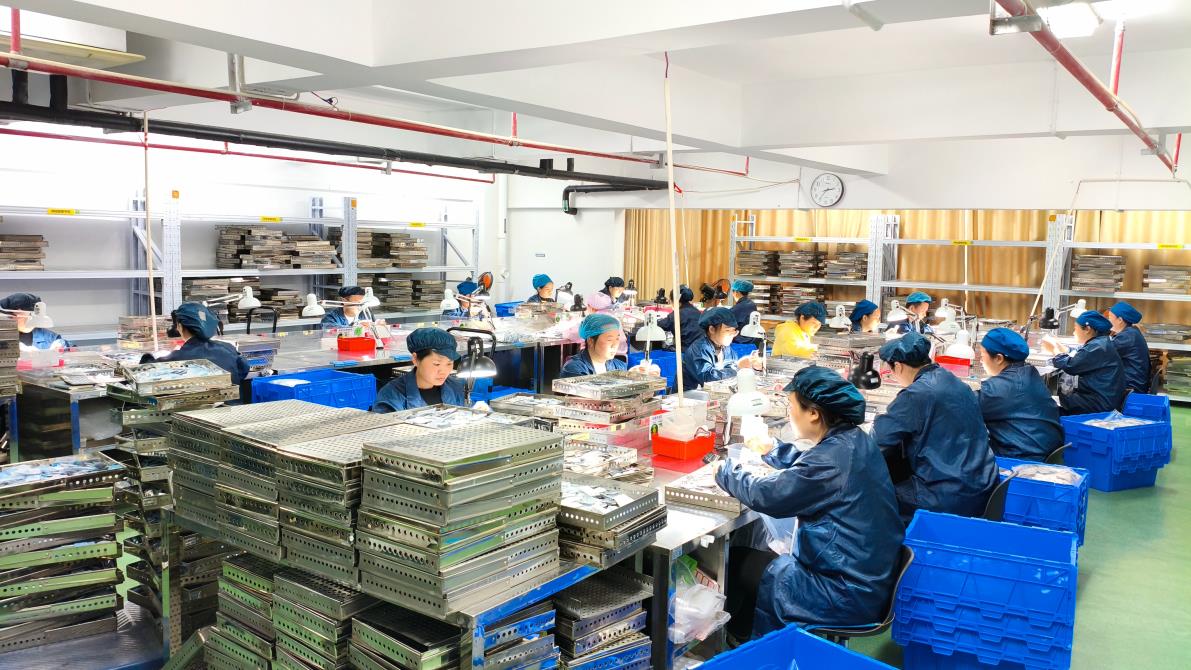
Manufacturing medical devices requires absolute consistency.湖南迈科镜片科技有限公司 (Hunan Vibe Lenses Technology Co., Ltd.) addresses this challenge by deploying automated, medical-grade cast-molding production lines within our state-of-the-art facility located in Dongguan, China. Dongguan’s world-leading precision manufacturing ecosystem allows us to achieve unparalleled efficiency, raw material sourcing security, and logistical optimization.
Our Class 100,000 cleanrooms are designed with strict environmental parameter controls. Temperature, humidity, pressure differentials, and airborne particulate concentration are monitored continuously using computerized BMS (Building Management Systems). The cast-molding process replaces outdated lathe-cutting techniques, molding the lens monomer in high-precision optical inserts. This automated pipeline ensures that every batch of lenses is geometrically identical, preserving exact base curves, diameter properties, and optical power distributions.
"Hunan Vibe Lenses Technology Co., Ltd. is a certified OEM/ODM manufacturer of premium contact lenses and cosmetic colored lenses. Based in Dongguan, China, we combine automated, medical-grade cast-molding production (Class 100,000 cleanrooms) with trend-forward design capabilities. As a trusted private-label partner, we deliver CE and ISO-compliant manufacturing solutions, reliable bulk wholesale, and end-to-end supply chain support for global eyewear and beauty brands."
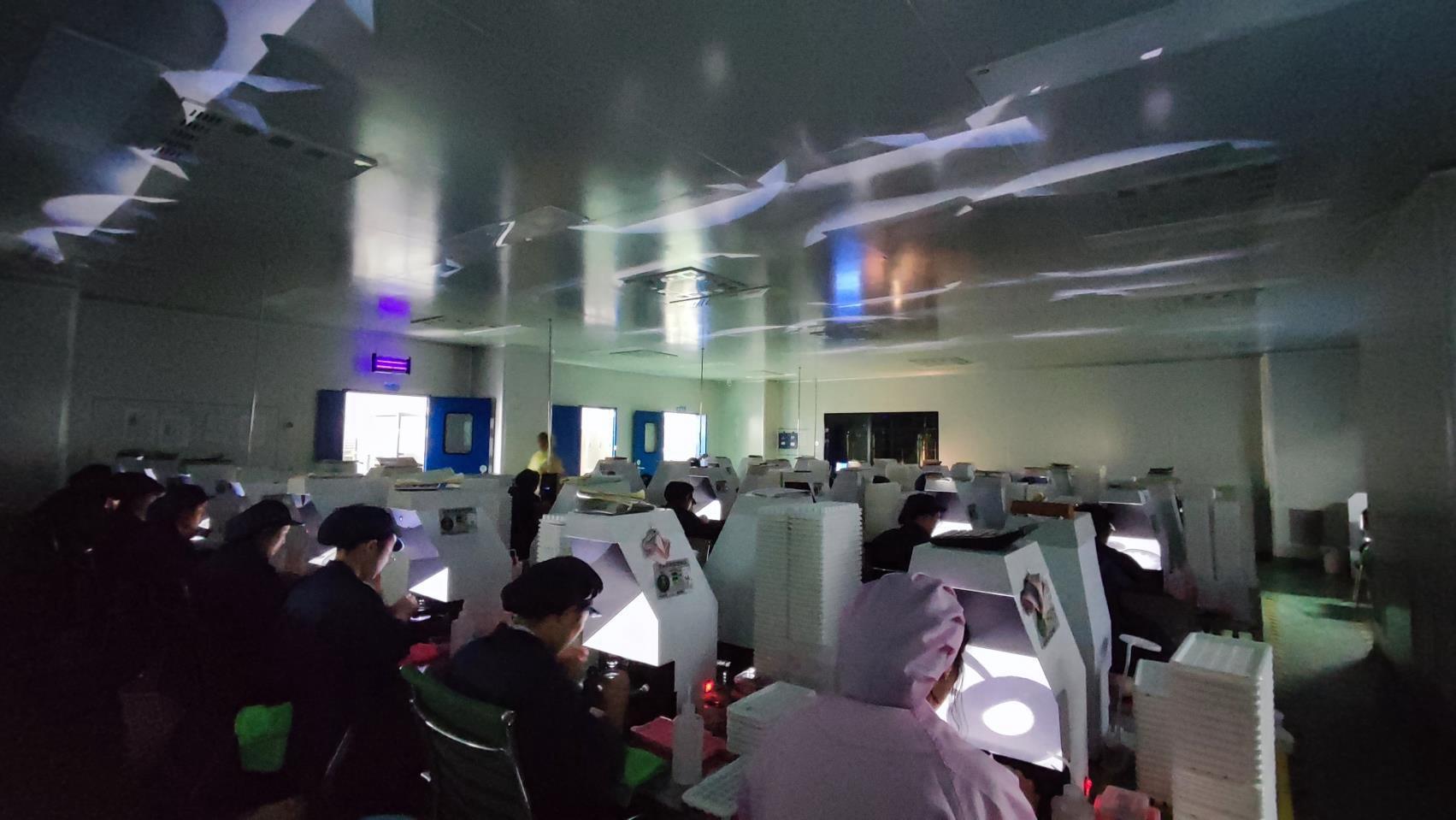
Hunan Vibe Lenses Technology Co., Ltd. — Technical Operations DivisionBy utilizing advanced AI-based Automated Optical Inspection (AOI) systems, each lens is analyzed under multiple spectrums to identify structural micro-fractures, pigment misalignments, or edge defects. This rigorous protocol allows us to maintain a low defect rate, guaranteeing that global brands receive products of unmatched physical and optical consistency.

In the global B2B procurement environment, purchasing agents must balance cost-of-goods-sold (COGS) with rigorous regulatory compliance. Contact lenses are classified as Class IIa/IIb medical devices under European Medical Device Regulation (EU MDR 2017/745) and Class II devices by the US FDA. Consequently, choosing a certified manufacturing partner is vital for regulatory clearance and market access.
B2B buyers—ranging from independent optical networks and fast-fashion cosmetic labels to online e-commerce platforms—require suppliers who offer full technical documentation. This includes biocompatibility data (cytotoxicity, sensitization, ocular irritation tests), stability study reports, and ISO 13485:2016 Quality Management Certificates. By supplying robust documentation and pre-vetted compliance files, we simplify the import process, protecting our global partners from customs delays and product liability risks.
Consumer preferences for cosmetic contact lenses differ significantly by geography, requiring a highly customizable catalog of colors, diameters, and graphic details:
Answers to essential technical, chemical, and logistical questions for global buyers and brand managers.
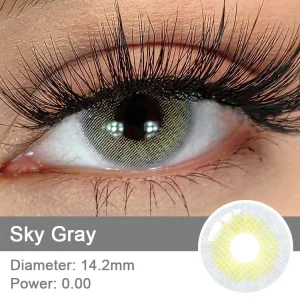
Discover further high-comfort design configurations designed to capture trending market demand.
 Vibe Lenses