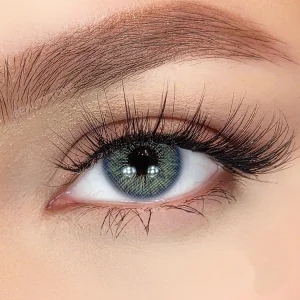
Explore our hot-selling, medically certified soft cosmetic contact lenses featuring advanced micro-pigmentation technology.
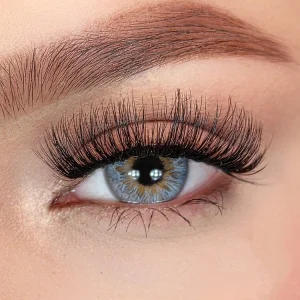
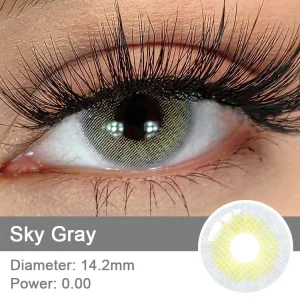
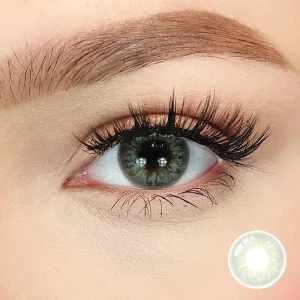
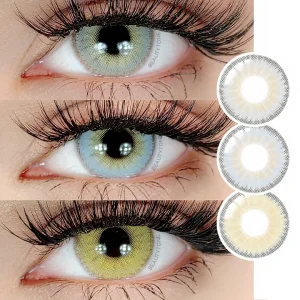
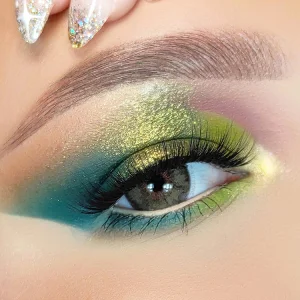
Understanding the transition of colored contact lenses from cosmetic novelty to medical-grade consumer lifestyle essentials.
The global cosmetic contact lens market has witnessed a profound transformation over the last decade. Historically viewed as niche, theater-based accessories, soft colored contacts like the BeautyTone Vivid series have integrated into the daily beauty routines of millions of consumers globally. Driving this shift is the convergence of advanced material science and aggressive e-commerce expansion, positioning these devices at the intersection of medical safety and aesthetic expression.
According to recent industry analytics, the global market size for cosmetic contact lenses is projected to surpass USD 4.8 billion by 2030, registering a compound annual growth rate (CAGR) of over 7.2%. In particular, demand for "Vivid" and high-pigment options has surged as consumers look for distinct eye-color transformations that do not compromise on ocular health. The primary market drivers include the rise of digital lifestyle trends, viral social media trends, and the growing cultural affinity for eye-enhancement cosmetics in both Western markets and the APAC region.
The core technological improvement in modern colored contact lenses revolves around pigment encapsulation. Older generations of lenses faced criticism for printing color directly onto the surface of the lens, which increased the risk of dye leaching, surface friction, and subsequent corneal abrasions. Today, market leaders adopt the **Sandwich Technology** or double-cladding encapsulation methodology. This process locks the aesthetic pigment layer securely between two protective layers of hydrophilic polymer material (commonly HEMA or Polymacon). This ensures that the pigment never makes contact with the ocular tissue, offering pristine safety and long-term wearing comfort.
The emergence of high-performance hydrogels and silicone hydrogels has further enhanced the wearability profile of yearly disposable contacts. Hydrophilic polymers with a water content optimized between 38% and 42% strike the perfect balance: they prevent rapid moisture loss (which leads to dry eyes) while maintaining structural integrity for long-life products like yearly replacement lenses. Sourcing managers are increasingly evaluating manufacturers based on their R&D output regarding material formulations that retain moisture and maintain optical clarity throughout the daily wearing cycle.
A breakdown of critical criteria for international distributors, optometric retailers, and brand owners seeking OEM partners.
Global cosmetic contact lenses are classified as Class II medical devices in most jurisdictions (such as the US FDA and the European MDR). Procurement teams prioritize manufacturers holding ISO 13485 (Medical Devices Quality Management Systems), CE certification, and regional clearances to eliminate risk of custom delays or legal non-compliance.
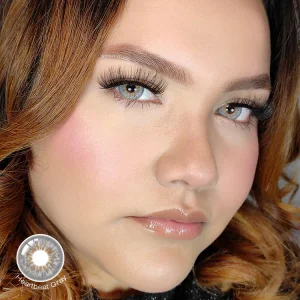
One of the most persistent paint points for brands is color variance across batches. Advanced OEM/ODM factories utilize automated, computer-guided injection molding and digital color matching to guarantee that "Heartbeat Gray" or "Nasar Green" remains consistent from batch 1 to batch 100,000.
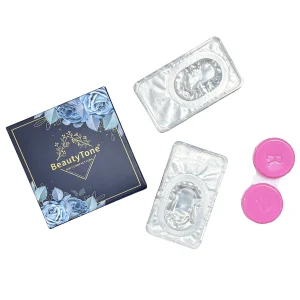
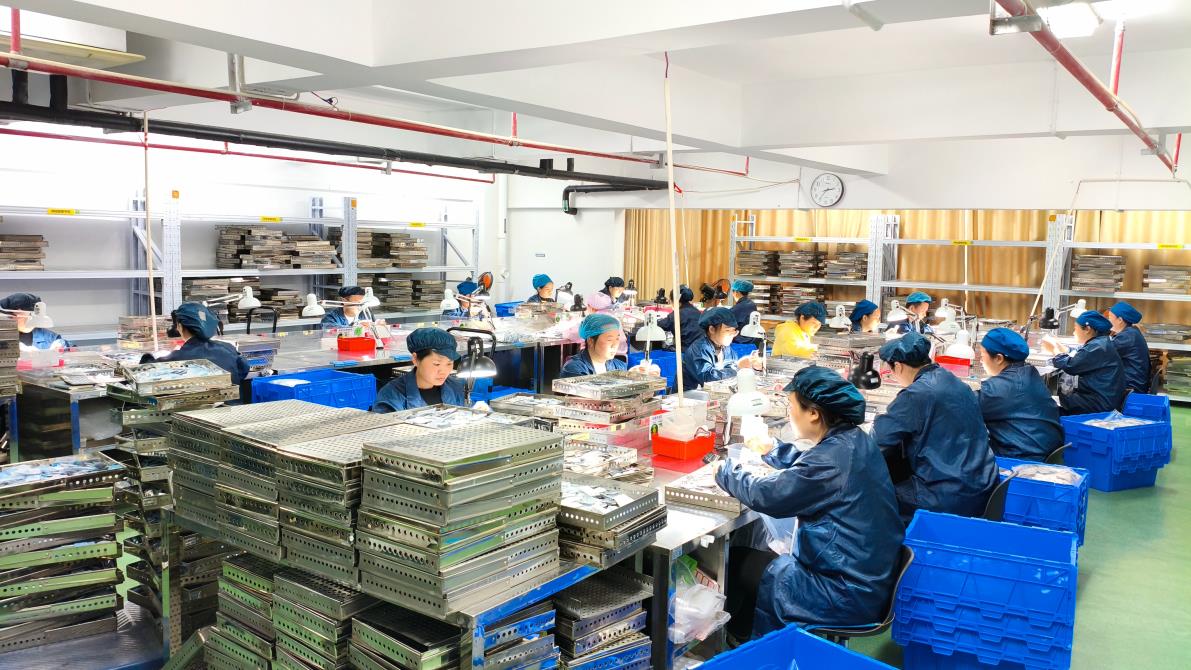
In highly saturated beauty markets, customized branding and packaging design (including custom-printed cartons, blister packs, and multi-lingual manuals) are crucial for brand differentiation. High-caliber manufacturers offer end-to-end design, prototyping, and packaging assembly lines.
How Hunan Vibe Lenses Technology Co., Ltd. and regional hubs leverage automated infrastructure to redefine global supply chains.
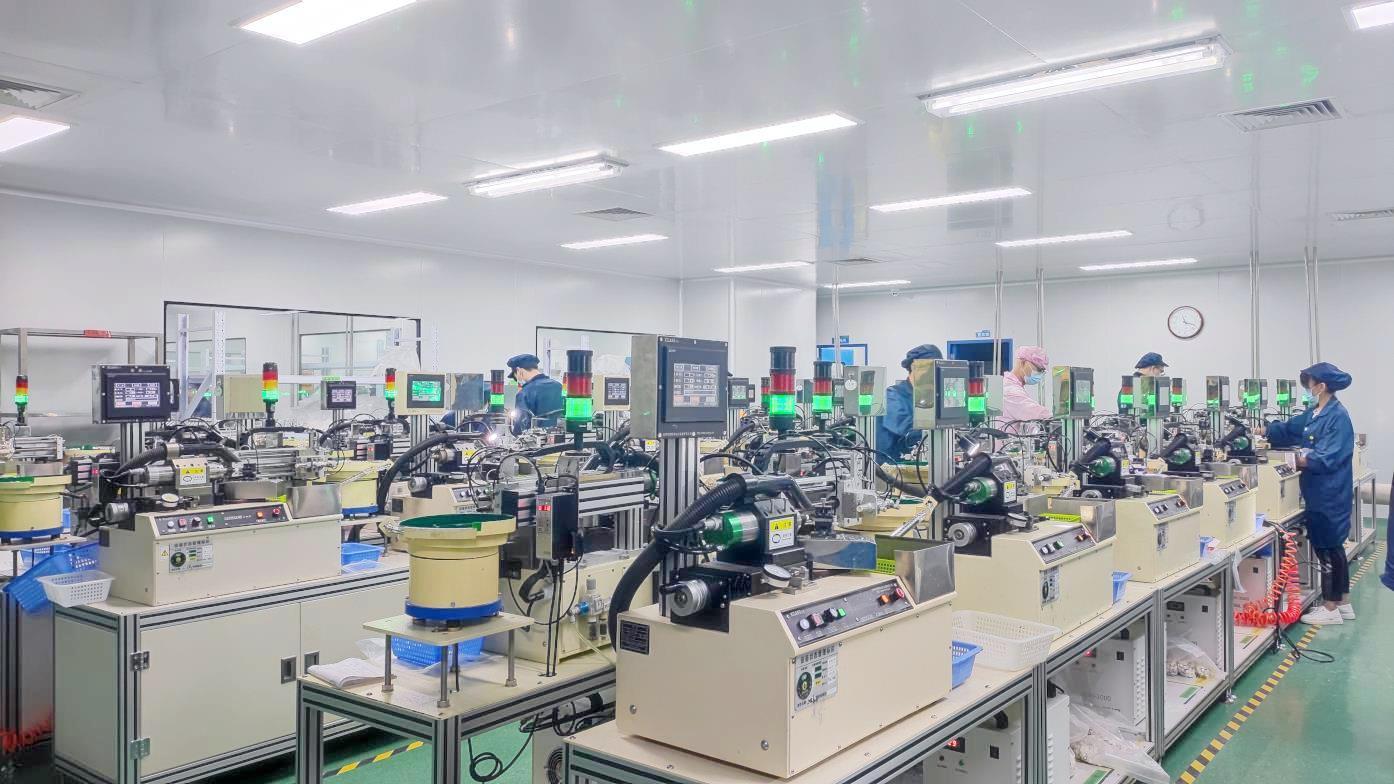
The global supply chain for contact lenses has centered significantly around modern Chinese manufacturing bases. Regions like Dongguan and Hunan have evolved from manual assembly facilities into highly integrated, digitalized smart factories—representing the essence of China's "Factory 4.0" initiative. Leading this transition is Hunan Vibe Lenses Technology Co., Ltd., a certified OEM/ODM powerhouse that unites state-of-the-art manufacturing with trend-forward cosmetic design capabilities.
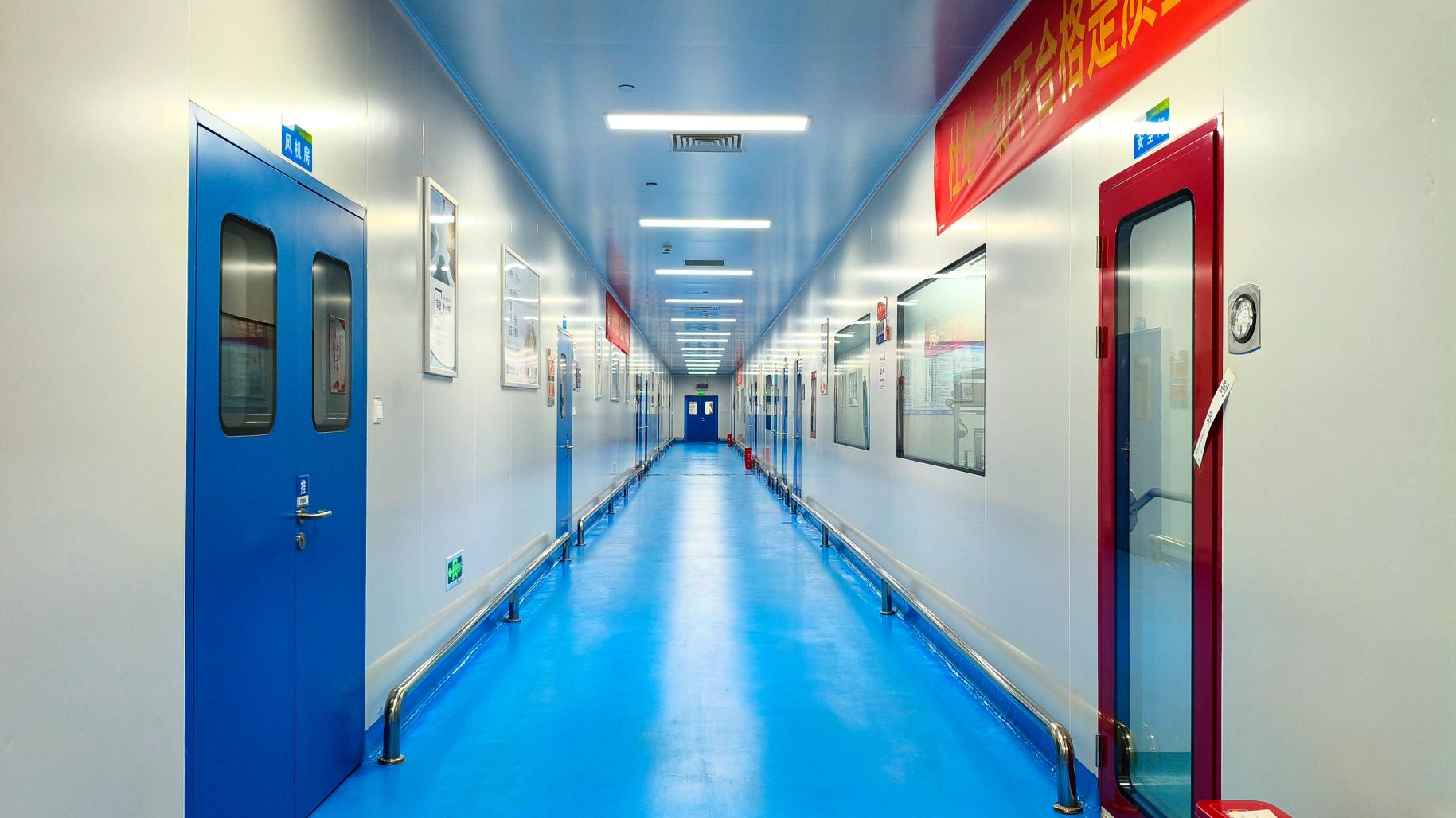
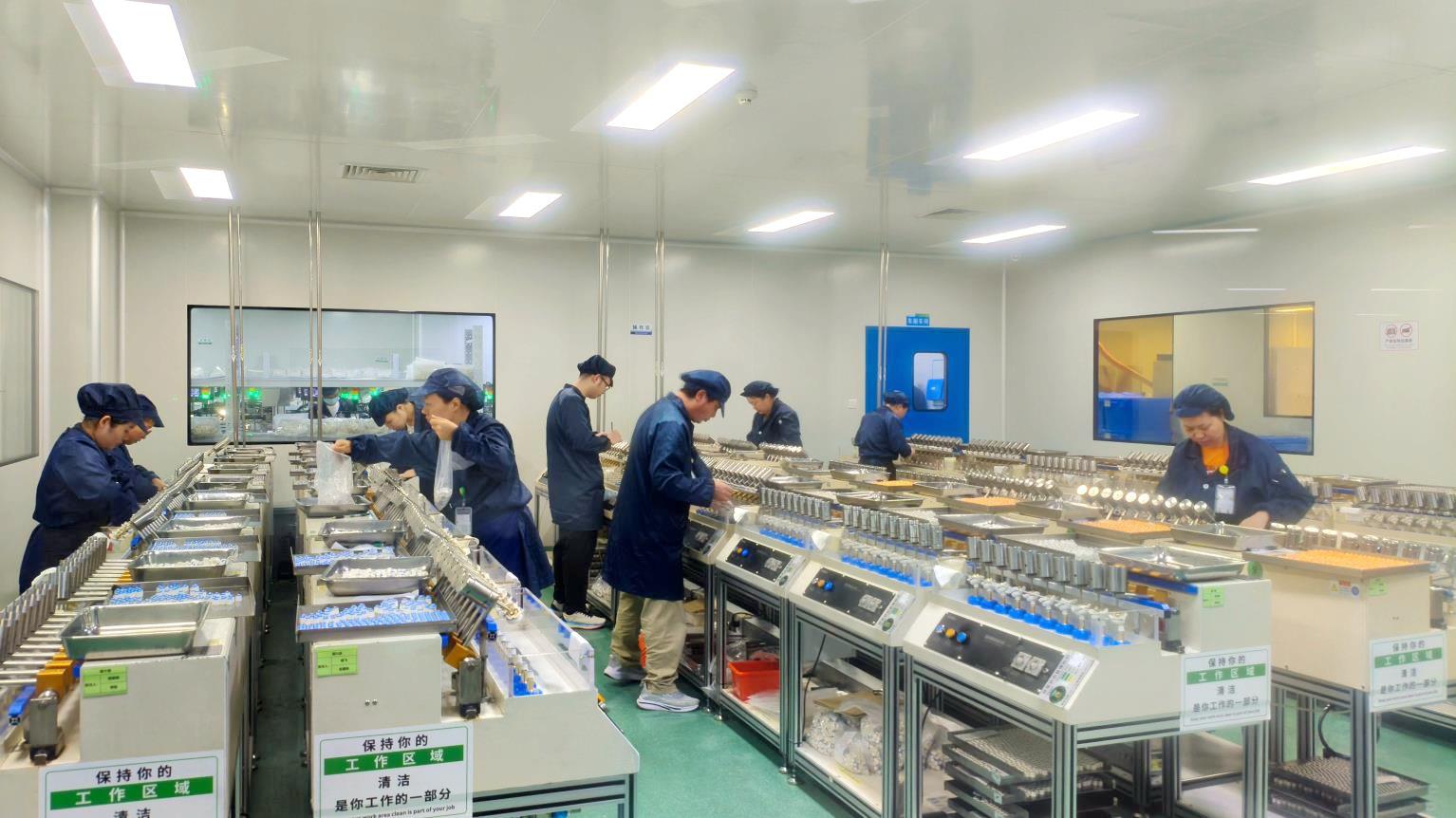
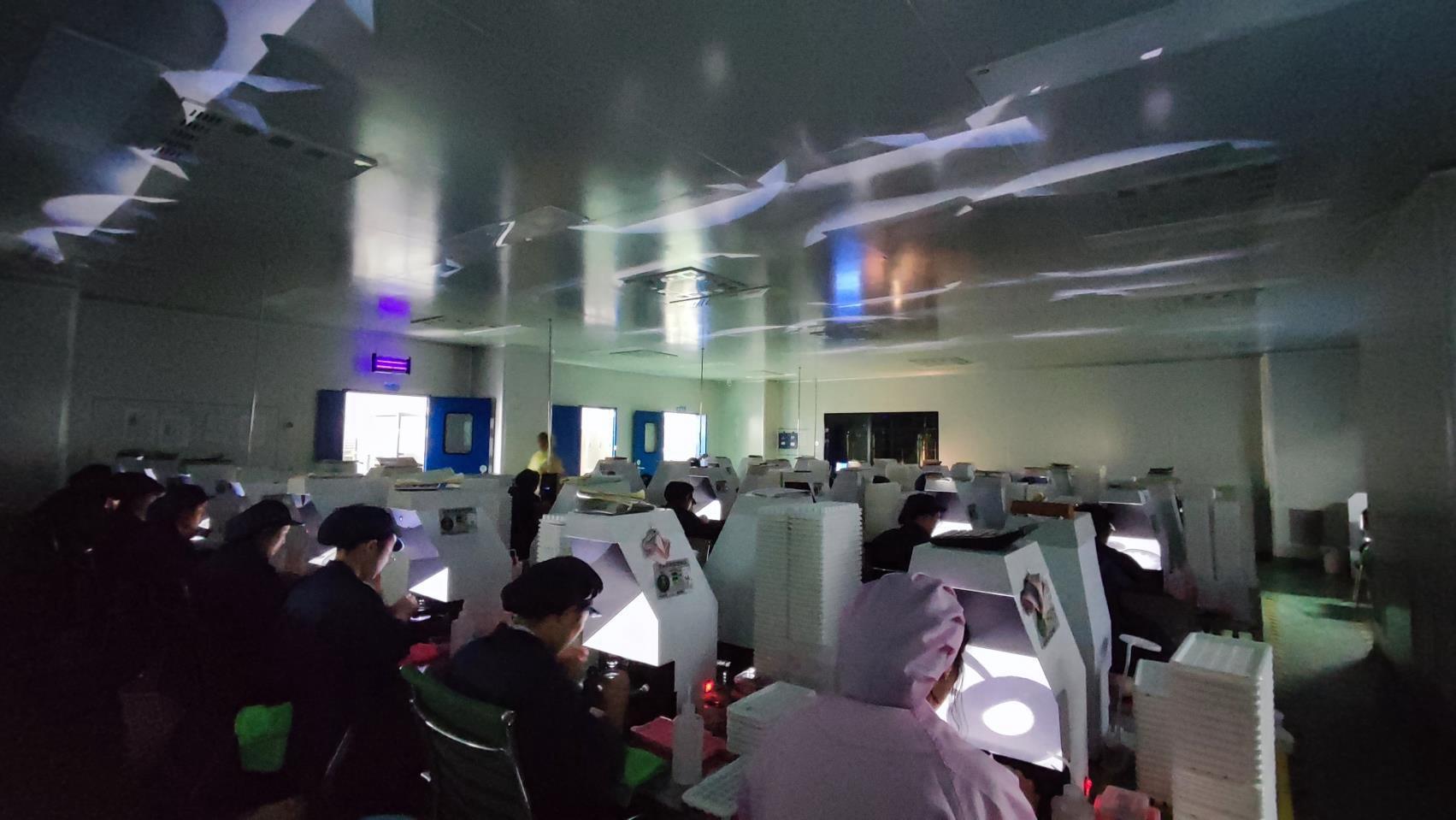
By shifting away from traditional labor-intensive lathe-cut techniques and embracing fully automated **cast-molding production systems** inside certified **Class 100,000 cleanrooms**, these factories achieve unprecedented yield rates and strict quality control. The entire production line—ranging from polymer formulation, injection molding, curing, hydration, extraction, online optical inspection, through to primary packaging—is managed by smart control systems. This minimizes direct human handling, ensuring that contamination risk is reduced to virtually zero.
In the post-pandemic commercial era, inventory stockouts or delayed launches can destroy a beauty brand's reputation overnight. The geographical concentration of mold makers, packaging printers, sterile blister suppliers, and logistical centers in South China enables factories like Hunan Vibe Lenses Technology to compress development cycles. What once took months from concept design to shipping can now be executed in weeks. This supply chain agility allows brands to respond dynamically to micro-trends (such as sudden spikes in demand for "Doll Look" 14.5mm sizes or specific "Gray/Green" hues) without carrying high inventory holding costs.
How to align your product selection with local market consumer archetypes and regulatory demands.
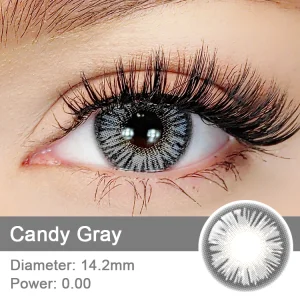
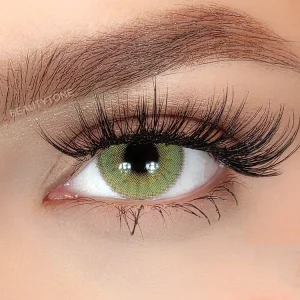
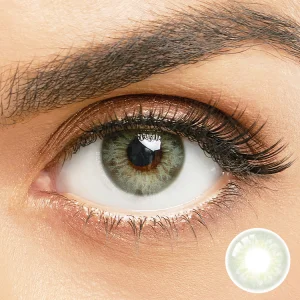
Aesthetic Preferences: High opacity, vivid color transforms (such as deep emeralds, vivid olives, and bright grays) that can effectively cover naturally dark brown irises. Products like *Nasar Green* and *Candy Gray* in 3-tone blends are highly sought after.
Regulatory Trend: Growing focus on local registration standards, requiring manufacturer assistance with certificates of free sale and detailed physical-chemical test data.
Aesthetic Preferences: Hyper-natural transformations with soft limbal rings or ringless designs. Shorter wear cycles (daily disposables) are gaining ground, although high-durability yearly contacts remain vital for value-centric retail networks.
Regulatory Trend: Strict adherence to EU MDR regulations and US FDA 510(k) clearances. Packaging must feature distinct UDI (Unique Device Identification) codes and eco-friendly packaging materials.
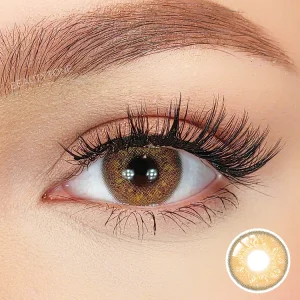
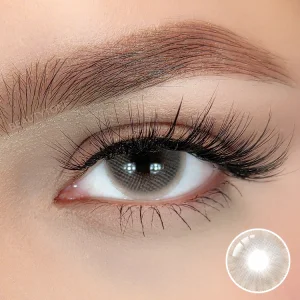
Aesthetic Preferences: Highly popular "Doll Look" effects created by larger diameters (14.5mm) paired with distinct limbal rings to enlarge the pupil appearance. Hues like *Heartbeat Gray* and soft, glowing browns dominate cosmetic retail landscapes.
Supply Chain Synergy: Sourcing managers in Asia-Pacific leverage rapid shipping routes out of South China ports to implement Just-In-Time (JIT) replenishment strategies for fast-fashion beauty platforms.
A standardized analytical framework utilized by professional procurement executives to vet international suppliers.
When curating the definitive list of top-tier partners for the **BeautyTone Vivid** range, sourcing teams must employ a comprehensive matrix that goes beyond simple unit economics. Below is the structured vetting framework recommended by global supply chain consultants:
As a prominent case study within this framework, Hunan Vibe Lenses Technology Co., Ltd. stands out as a leading benchmark. Integrating Dongguan's manufacturing precision with state-of-the-art testing equipment, they supply globally compliant cosmetic contacts to a wide array of premium brands and private label distributors.
Answers to critical questions asked by procurement directors, compliance managers, and import logistics leads.
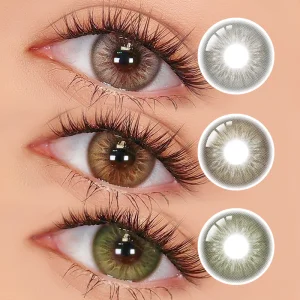
Browse through our extended product line including packaging customization options and diverse color profiles.
 Vibe Lenses