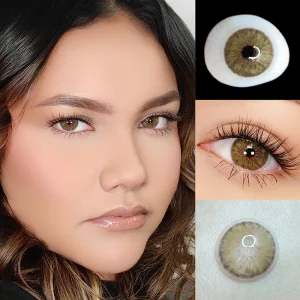
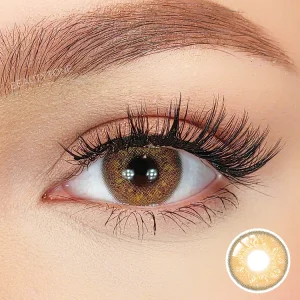
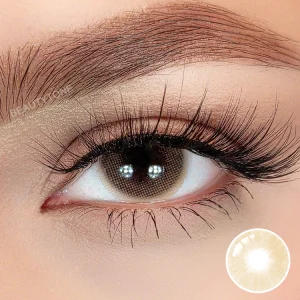
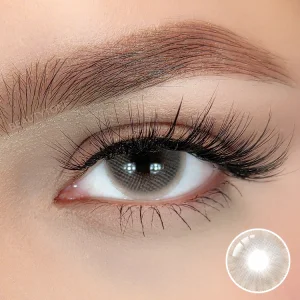
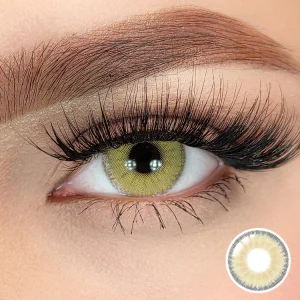
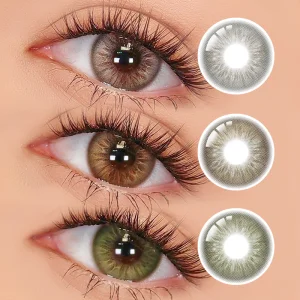
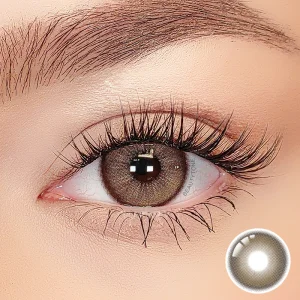
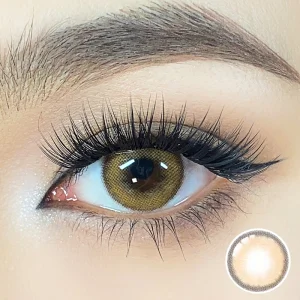
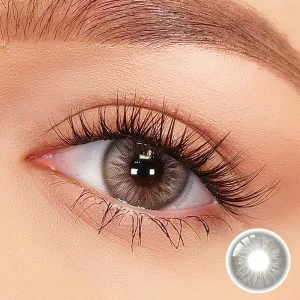
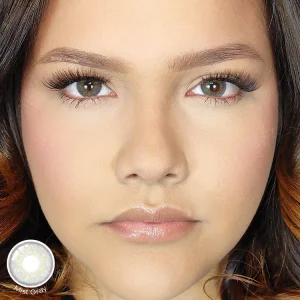
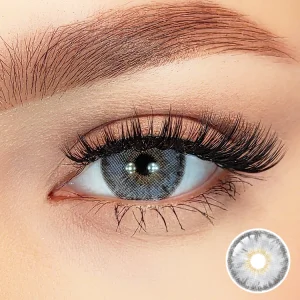
Explore the initial catalog of high-demand aesthetic color contacts featuring advanced oxygen permeability and state-of-the-art color integration technology.
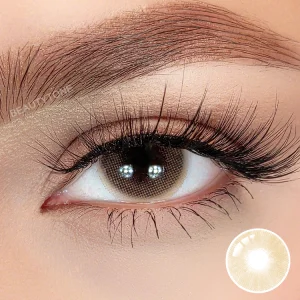
In the rapidly changing cosmetic contact lens industry, sourcing high-quality, compliant products has become a major challenge for global B2B buyers, distributors, and brand owners. The BeautyTone Nebula series represents a key innovation in aesthetic design, blending realistic pigments with safe contact lens technology. Finding a reliable manufacturer requires a deep understanding of medical regulations, material science, and manufacturing efficiency.
This whitepaper covers the manufacturing landscape of the BeautyTone Nebula series, looking at production standards, market demand, and the advantages of China's Factory 4.0 infrastructure. We will highlight the operational excellence of leading partners like Hunan Vibe Lenses Technology Co., Ltd. to help procurement officers make informed decisions that balance risk, cost, and product quality.
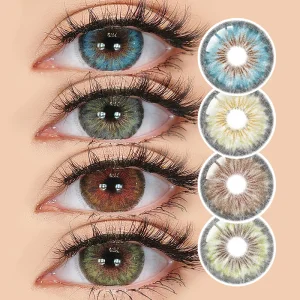
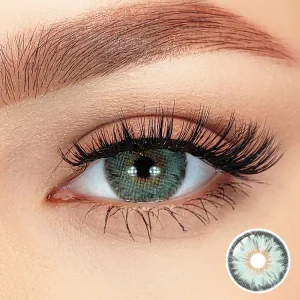
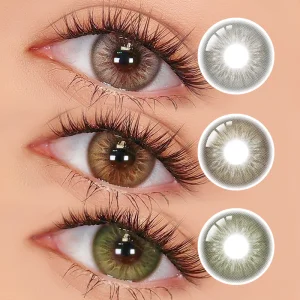
The global cosmetic contact lens market is moving away from basic color shifts toward realistic, detailed iris replication. The BeautyTone Nebula series is at the forefront of this trend. It uses a 3-tone pattern that mimics the natural variations of the human iris, blending Hazel, Mist Brown, Olive, and Gray shades. This design delivers a subtle, natural enhancement rather than an artificial look.
From a material standpoint, the industry is transitioning from standard hydrogel to high-oxygen-permeability formulations. Modern consumers prioritize eye health and comfort during long wear. This has pushed manufacturers to focus on water-retentive matrices and surface treatments that reduce protein buildup.
B2B buyers, including medical distributors, retail brands, and e-commerce networks, face strict regulatory standards when importing colored contact lenses. Because contact lenses are classified as medical devices (Class II in the US, Class IIb in the European Union, and Class III in China), compliance is critical.
Experienced distributors prioritize manufacturers with certifications like CE (MDR), ISO 13485, and CFDA. Without these, customs clearance can be delayed, and businesses face significant legal risks. In addition to legal compliance, B2B buyers look for private-label (OEM/ODM) flexibility, low minimum order quantities (MOQs) for test markets, and reliable supply chains to support their product launches.
Hunan Vibe Lenses Technology Co., Ltd. is a certified OEM/ODM manufacturer of premium contact lenses and cosmetic colored lenses. Based in Dongguan, China, we combine automated, medical-grade cast-molding production (Class 100,000 cleanrooms) with trend-forward design capabilities. As a trusted private-label partner, we deliver CE and ISO-compliant manufacturing solutions, reliable bulk wholesale, and end-to-end supply chain support for global eyewear and beauty brands.

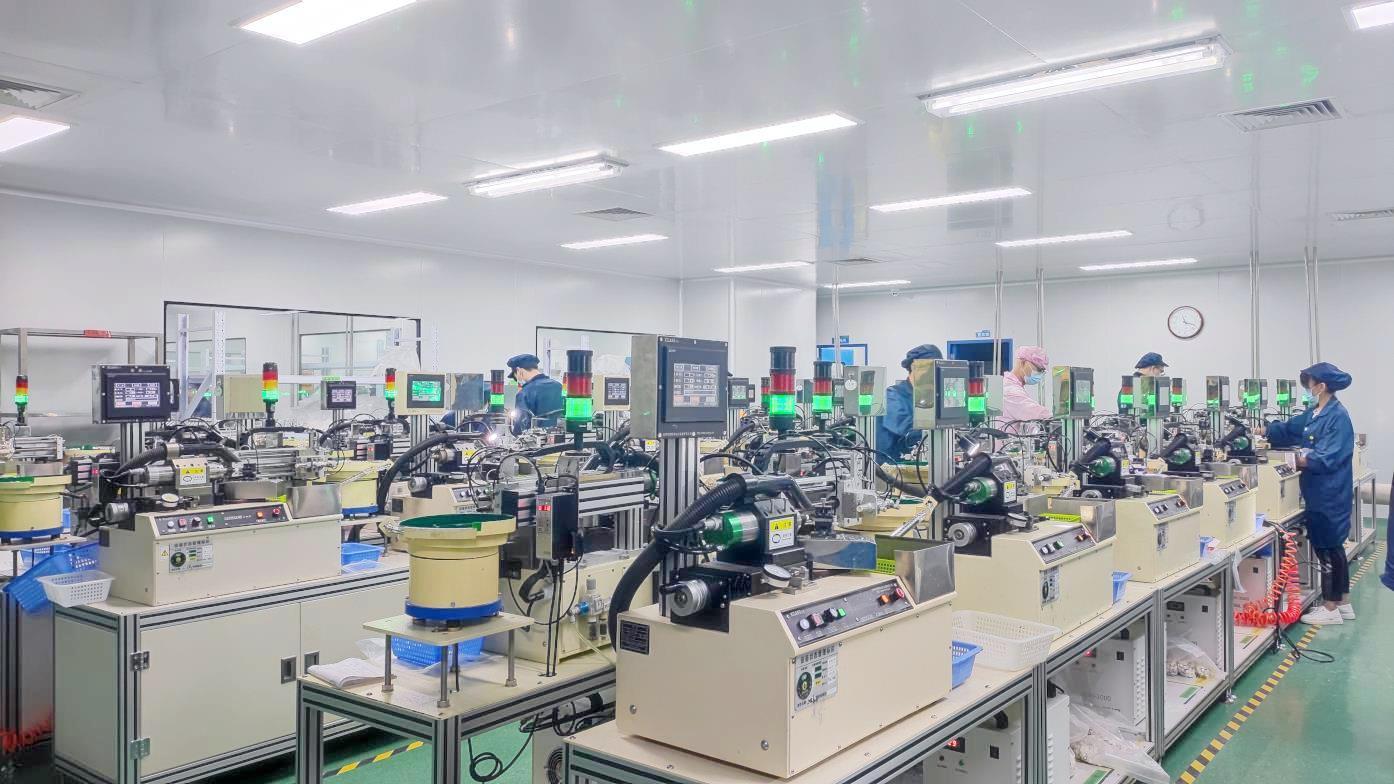
The manufacturing of cosmetic contact lenses has evolved through automation and precision engineering. Leading Chinese manufacturers, especially in regions like Dongguan, have upgraded their facilities to align with Smart Factory 4.0 standards.
Key pillars of this advanced production model include:
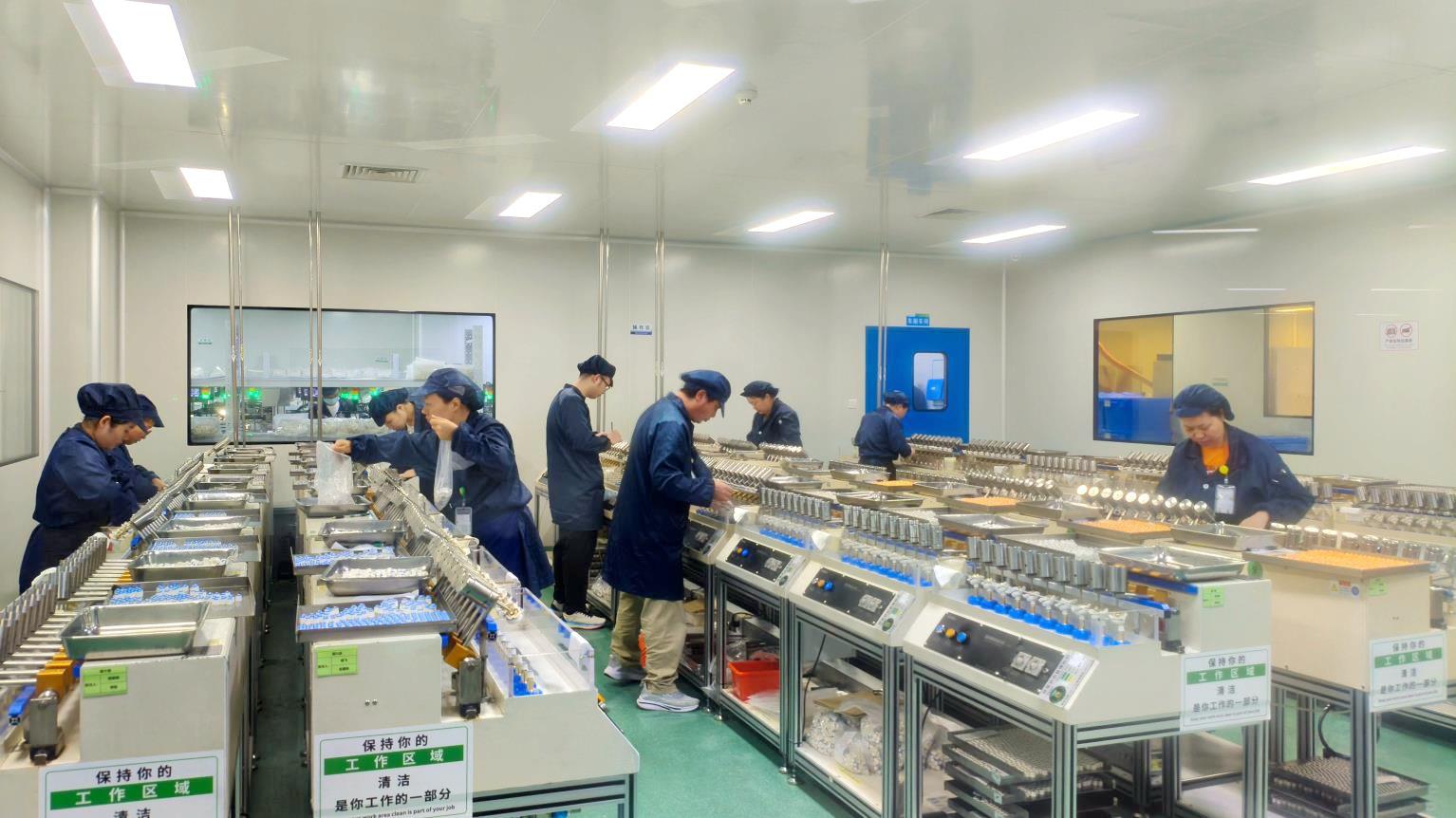
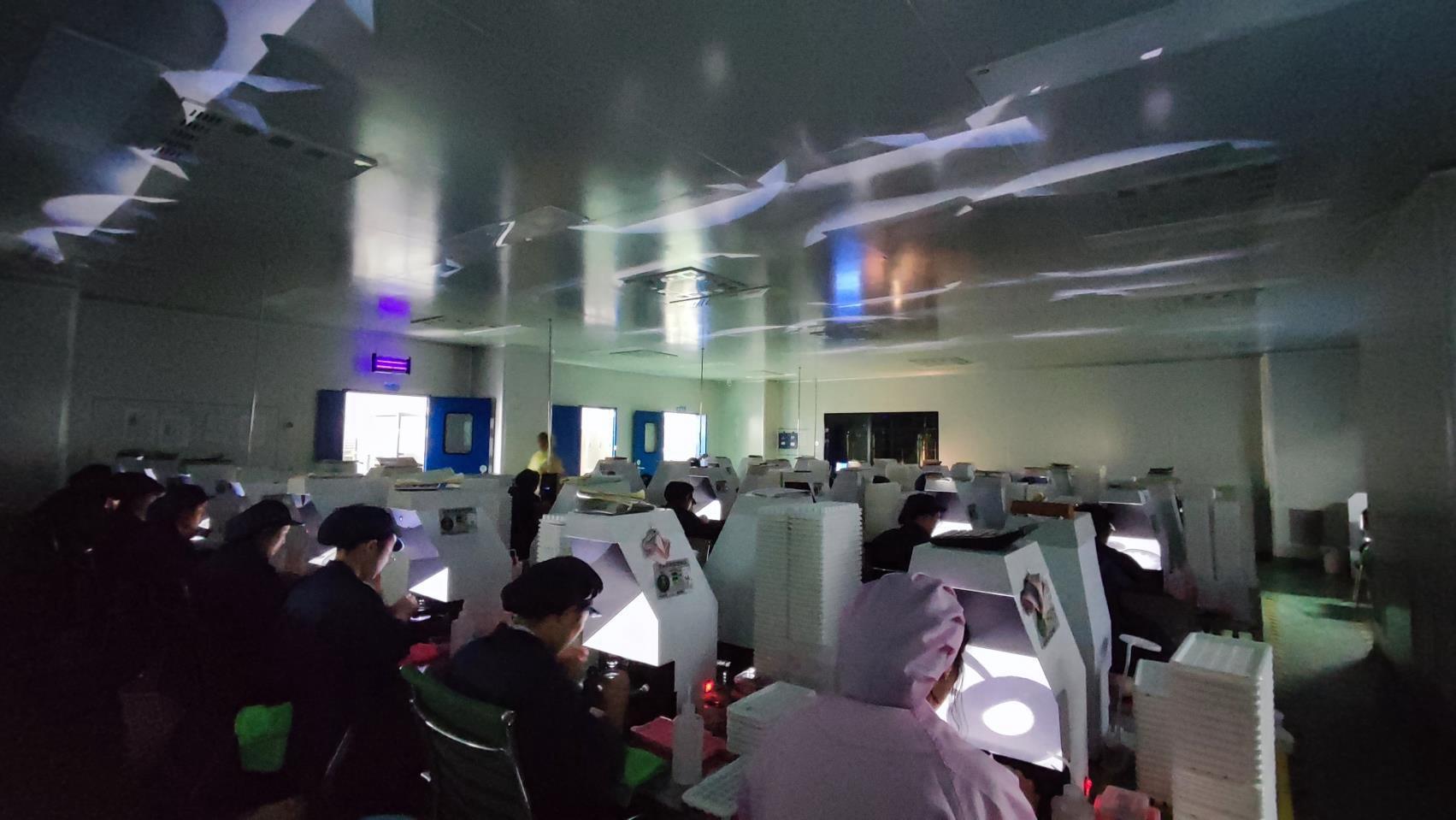
By integrating raw material sourcing, automated mold fabrication, inline vision inspection, and efficient logistics, Chinese Factory 4.0 plants help brands stay competitive. They offer fast turnaround times and consistent product quality, helping brands respond quickly to changing consumer trends.
Cosmetic lenses are used in a variety of commercial and consumer scenarios worldwide:
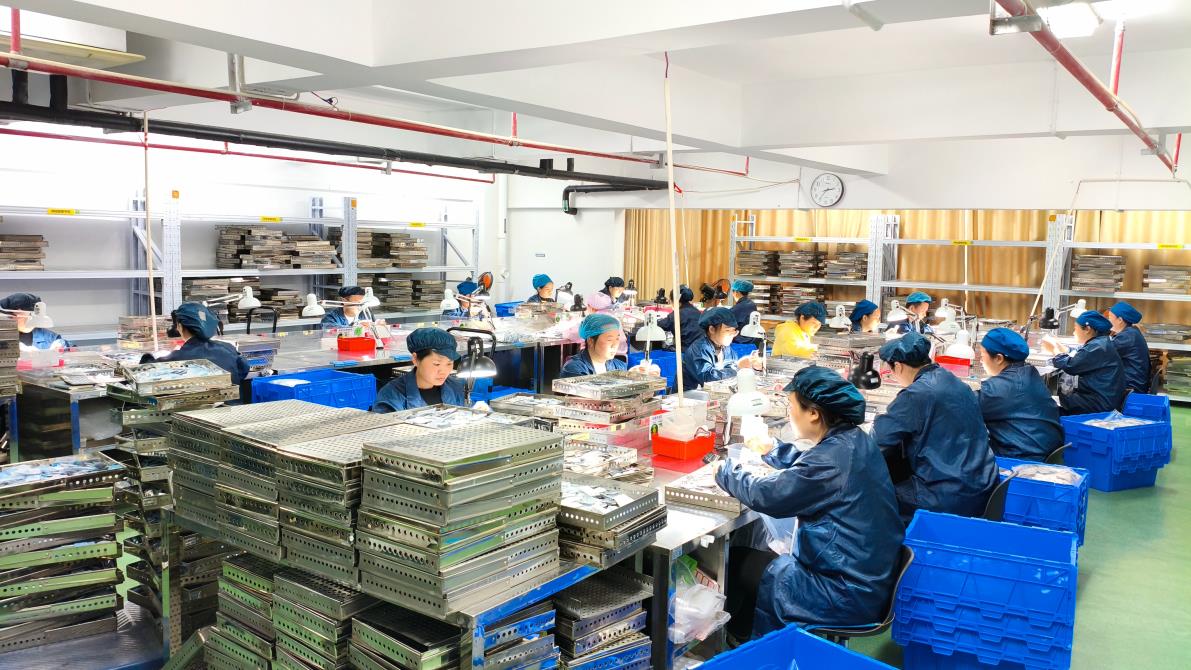
When evaluating partners for the BeautyTone Nebula series, B2B procurement managers should assess these factors:
Explore our additional product lines, featuring natural gray tones, theatrical designs, and custom-molded yearly options.
Common questions and expert insights about manufacturing standards, customization options, and regulatory compliance.
 Vibe Lenses